Naturopathic Herbal Remedies
Other Common Names: Agno Casto, Agnocasto, Bish Barmagh
Aghaji, Chaste Tree, Daribrahim, Gatilier, Hayit, Hemp Tree, Kaff
Maryam, Keuschlamm, Lilac Chastetree, Lygos, Monk'S Pepper, Monk's
Pepper Tree, Monks Pepper, Panjangusht, Pepper, Monks, Poivre De Moine,
Ranukabija, Sauzgatillo, Seiyo-Ninzin-Boku, Shajerat Ebrahim, Vitex,
Vitex agnus-castus
Range: Europe; France; Germany; India; Iraq; Italy; Kurdistan; Mediterranean; Sanscrit; Spain; Turkey; USA
Habitat: Damp places by streams and on the littoral
Agnus castus has been used for thousands of years for its beneficial
affect on the female hormonal system. Modern research has confirmed
this use, the seeds being used to restore balanced functioning to the
female reproductive system.
The seeds and fruits are anaphrodisiac, aphrodisiac, galactogogue,
ophthalmic, sedative,...
Other Common Names: Jatt, Kaba Yonca, Lucerne, Mielga, Mu Su, Sai Pi Li Ka, Yonja, Medicago sativa
Range: Europe - Mediterranean; China; Iraq; Kurdistan; Turkey; USA
Habitat: Waste ground, avoiding acid soils.
Composition: Leaves (Fresh weight)- Water: 82.7 Calories: 52
Protein: 6 Fat: 0.4 Carbohydrate: 9.5 Fiber: 3.1 Ash: 1.4 Calcium: 12
Phosphorus: 51 Iron: 5.4 Vitamin A: 3410 Thiamine: 0.13 Riboflavin:
0.14 Niacin: 0.5 Vitamin C: 162
It may possibly have been a native of Europe; it is of great
antiquity, having been imported into Greece from the East after Darius
had discovered it in Medea, hence its name. It is referred to by Roman
writers, and is cultivated...
Other Common Names: Aloe, Aloes Des Jardins, Alwat, Barbados
Aloe, Curacoa Aloe, Djadam Arab, Hsiang Tan, Jadam, L'Alois, Laloi,
Lidah Buaya, Lu Hui, Medicinal Aloe, Musambra Aloe, No Hui, Sabila,
Sarisabir, Zabida, Zabila, Aloe barbadensis, Aloe vulgaris
Habitat: Requires a well-drained soil and a very sunny
position. Plants are tolerant of poor soils. If trying to grow this
plant outdoors then it will need the sunniest and warmest area in the
garden plus some protection from winter cold (a glass frame perhaps).
This species is not very cold-hardy outdoors, it is best grown in a pot
placed outdoors in the summer and put in a greenhouse for the winter.
It...
Other Common Names: Amerikaanse Ginseng, Amerikanischer Ginseng, Five Fingers, Red Berry, Tartar Root, Panax quinquefolius
Range: Eastern N. America - Maine to Georgia, west to Oklahoma and Minnesota.
Habitat: Requires a deep moist humus rich soil in a shady
position in a woodland. Requires deep shade, growing well on
north-facing slopes and in woodland.
Often grown as a medicinal plant, though considered to be inferior
to Korean ginseng, P. ginseng. It is exported from N. America, mainly
to Hong Kong.
P.Ginseng has a history of herbal use going back over 5,000 years.
It is one of the most highly regarded of herbal medicines in the
Orient, where it has gained...
Other Common Names: Angelica, Chinese Angelica, Dan Gui, Dang Gui, Dong Quai, Angelica sinensis
Habitat: High ground in cool and damp areas of western and northwestern China.
Dang Gui is a well-known Chinese herb that has been used in the
treatment of female ailments for thousands of years. Its reputation is
perhaps second only to ginseng (Panax ginseng) and it is particularly
noted for its 'blood tonic' effects on women. The root has a sweet
pungent aroma that is very distinctive and it is often used in cooking,
which is the best way to take it as a blood tonic. One report says that
the root contains vitamin...
Other Common Names: Alcachofa, Alcachofera, Artichaut, Globe Artichoke, Tyosen-Azami, Cynara scolymus
Range: Not known in the wild, it probably arose from a form of C. cardunculus on the sandy shores of Northern Africa.
Habitat: Grown in a deep, moist, rich soil. Not known in the wild.
It is one of the world's oldest cultivated vegetables, grown by the Greeks and the Romans in the heyday of their power.
The globe artichoke has become important as a medicinal herb in
recent years following the discovery of cynarin. This bitter-tasting
compound, which is found in the leaves, improves liver and gall bladder
function, stimulates the secretion of digestive juices,...
Other Common Names: Ajagandha, Clustered Wintercherry, Kanaje Hindi, Orovale, Samm Al Ferakh, Strychnos, Withania somnifera
Range: Australia, E. Asia, Africa.
Habitat: Open places, disturbed areas etc. An undershrub in stony places.
Ashwagandha is one of the most widespread tranquilisers used in
India, where it holds a position of importance similar to ginseng in
China. It acts mainly on the reproductive and nervous systems, having a
rejunative effect on the body, and is used to improve vitality and aid
recovery after chronic illness. The plant is little known in the West.
The whole plant, but especially the leaves and the root bark, are
abortifacient, adaptogen, antibiotic, aphrodisiac, deobstruent,
diuretic, narcotic, strongly...
Other Common Names: Chinese Ginseng, Ginseng, Jen Shen, Jen Shen Chiu, Oriental ginseng, Otane-Ninzin, Ren Shen, Shen Lu, Shen Ts'Ao, Panax ginseng
Range: E. Asia - China, Korea.
Habitat: Mountain forests.
Ginseng is a highly valued herb in the Far East and has gained
popularity in the West during the last decade. There is extensive
literature on the beneficial effects of ginseng and its constituents.
The major active components of ginseng are ginsenosides, a diverse
group of steroidal saponins, which demonstrate the ability to target a
myriad of tissues, producing an array of pharmacological responses.
However, many mechanisms of ginsenoside activity still remain unknown.
Since ginsenosides and other constituents of...
Other Common Names: Astragalus, Chinese Astragalus, Chinese
Milkvetch, Huang Qi, Huang Qui, Huang-qi, Membranous Milk Vetch, Milk
Vetch Root, Yellow Vetch
Range: E. Asia - China
Habitat: Dry sandy soils
Huang Qi is commonly used in Chinese herbalism, where it is
considered to be one of the 50 fundamental herbs. The root is a sweet
tonic herb that stimulates the immune system and many organs of the
body, whilst lowering blood pressure and blood sugar levels. It is
particularly suited to young, physically active people, increasing
stamina and endurance and improving resistance to the cold - indeed for
younger people it is perhaps superior to ginseng in this respect. Huang
Qi is...
Other Common Names: Avena, Common Oat, Cultivated Oat, Dousar, Oat, Oatmeal, Oats, Yulaf
Range: N. Europe; Britain; Chile; Iraq; Spain; Turkey; USA
Habitat: Dry wasteland, cultivated ground and meadows, especially on heavier soils
Whilst used mainly as a food, oat grain does also have medicinal
properties. In particular oats are a nutritious food that gently
restores vigour after debilitating illnesses, helps lower cholesterol
levels in the blood and also increases stamina.
The seed is a mealy nutritive herb that is antispasmodic, cardiac,
diuretic, emollient, nervine and stimulant. A gruel made from the
ground seed is used as a mild nutritious aliment in inflammatory cases,
fevers and after parturition. It should...
Ayurveda is the ancient (before 2500 b.c.) Indian system of
health care and longevity. It involves a holistic view of man, his
health, and illness. It is based on the idea that the body, mind, and
spirit are interconnected and that all three must be "balanced" to
achieve the highest degree of health. The mind is also thought to have
a deep influence on the body.
Ayurvedic treatment of a disease consists of salubrious use of
drugs, diets, and certain practices. Medicinal preparations are
invariably complex mixtures, based mostly on plant products. Around
1,250 plants are currently used in various Ayurvedic preparations.
Many Indian medicinal plants have come under scientific...
Other Common Names: Ayiuzumu, Bear's Grape, Coralillo, Gayuba, Kinnikinick, Kinnikinnick, Red Bearberry, Uva Ursi, Arctostaphylos uva-ursi
Range: Britain. Northern N. America. N. Europe. N. Asia.
Habitat: Dry open woods, often on gravelly or sandy soils. It
is also found on sand dunes along the coast and is also found on
limestone in the European Alps.
Bearberry was commonly used by many native North American Indian
tribes to treat a wide range of complaints and has also been used in
conventional herbal medicine for hundreds of years, it is one of the
best natural urinary antiseptics. The leaves contain hydroquinones and
are strongly antibacterial, especially against certain organisms
associated with urinary...
Other Common Names: Baqlat Al Laban, Caille Lait, Cheese
Rennet, Cheese Renning, Cleavers, Gaillet Jaune, Galio, Khitharah,
Lady's Bedstraw, Maid's Hair, Our Lady's Bedstraw, Petty Mugget, Yellow
Bedstraw, Yellow Spring Bedstraw, Yogurtotu, Galium verum
Range: Britain; Europe; France; Iraq; Spain; Turkey; USA
Habitat: Waste ground, roadsides etc, mainly near the sea, on all but the most acid soils.
The common English name of this plant, 'Our Lady's Bedstraw,' is
derived from its use in former days, even by ladies of rank, for
stuffing beds.
The plant has the property of curdling milk, hence another of its
popular names 'Cheese Rennet.' It was called 'Cheese Renning' in the
sixteenth century, and Gerard...
"Bee pollen" is actually pollen from flowers that is collected from
bees as they enter the hive or is harvested by other means. Pollen
granules stick to the bees' legs and other body parts as they help
themselves to nectar (the precursor of honey) inside the flowers.
Pollen products are marketed through health-food stores, multilevel
distributors, drugstores, mail-order advertising, and the Internet.
Honeybees collect pollen for their own nutritional purposes because
Bee Pollen is incredibly nutrient dense. Bee Pollen provides the
honeybee with all of the nutrients that it needs for growth and
development.
Bee Pollen is approximately 25% protein and very low in fat and
sodium. It contains many minerals...
Other Common Names: Agracejo, Amberparis, Barberry, Berbery,
Common Barberry, Epine Vinette, European Barberry, Pipperidge Bush,
Berberis Vulgaris (Vulgaris=Common)
Range: France; Spain; Turkey; USA; Barberry Coast. Naturalized, or possibly native, in Britain
Habitat: Hedges, roadsides, clearings etc, preferring a sunny position
Barberries have long been used as a herbal remedy for the treatment
of a variety of complaints. All parts of the plant can be used, the
plant is mainly used nowadays as a tonic to the gallbladder to improbe
the flow of bile and ameliorate conditions such as gallbladder pain,
gallstones and jaundice. The bark and rootbark are antiseptic,
astringent, cholagogue, hepatic, purgative, refrigerant, stomachic and
tonic. The bark is harvested...
Other Common Names: Airelle, Arandano, Black Whortles,
Bleaberry, Blueberry, British Bilberry, Cayuzumu, Dwarf Bilberry,
Huckleberry, Hurtleberry, Hurts, Trackleberry, Whinberry,
Whortle-berry, Whortleberry, Vaccinium myrtillus. The name Bilberry (by
some old writers 'Bulberry') is derived from the Danish 'bollebar,'
meaning dark berry.
Range: Britain; Europe; Spain; Turkey
Habitat: Heaths, moors and woods on acid soils to 1250 metres
The dried leaves of bilberries are used in the treatment of a
variety of complaints. These leaves should be harvested in early
autumn, only green leaves being selected, and then dried in gentle
heat. The leaves should not be used medicinally for more than 3 weeks
at a time.
A tea made from the dried leaves is...
Other Common Names: Ampalaya, Balsam pear, Bitter cucumber, Bitter gourd, Foo gwa, Karela, La-kwa, Momordica charantia L.
Range: China, Hong Kong, Philippines, Taiwan.
Ampalaya (Tagalog) or Amargozo (Aklanon). Known in the west as
Chinese bitter melon or bitter gourd, ampalaya became popular in the
news recently because of its putative medicinal value especially
against HIV/AIDS (Compound Q). The truth is, it is considered medicinal
by many native herbolarios. In folk medicine, the more bitter this
vegetable is, the more medicinal value it has. It's really an ugly
looking vegetable and considered an acquired taste because of its
bitterness. The smaller (or more elongate) and greener variety is more
bitter than...
Other Common Names: Allegheny Blackberry, Bly, Bramble,
Bramble-Kite, Brambleberry, Brameberry, Brummel, Bumble-Kite, Common
Blackberry, European blackberry, Scaldhead, Rubus fruticosus.
Range: Britain; Europe; India; Italy; Sicily; Spain; Turkey; USA
Habitat: A very common and adaptable plant, found in hedgerows, woodland, meadows, waste ground etc
Blackberry leaf has been found effective for diarrhea and mild sore
throat. The root is sometimes taken to prevent water retention and
swelling, but is not considered effective.
The root-bark and the leaves are strongly astringent, depurative,
diuretic, tonic and vulnerary. They make an excellent remedy for
dysentery, diarrhea, hemorrhoids, cystitis etc, the root is the more
astringent. Externally, they are used as a gargle to treat sore
throats,...
Other Common Names: Actee A Grappes, American Baneberry,
Amerikansk Slangerod, Black Snakeroot, Cimicaire, Rattle Root, Sauco,
Slangenwortel, Tahta Bitiotu, Wanzenkraut, Cimicifuga racemosa
Range: Eastern N. America - Massachusetts to Ontario, south
to Georgia and Tennessee, Britain; Canada; Denmark; France; Germany;
Netherlands; Spain; Turkey
Habitat: Moist or dry shady rich woods
Cimicifuga racemosa contains triterpene glycosides, resin,
salycilates, isoferulic acid, sterols, and alkaloids. This plant was
used by Native Americans for a myriad of problems, including headache
(note the presense of salycilates... the forerunner of asprin). It is
still used in western medicine for tinnitus (ringing of the ears), and
by herbalists to increase the intensity of uterine contractions during
childbirth. However, administration should...
Other Common Names: European Black Currant, Grosellero Negro, Quinsy Berries, Siyah Frenkuzumu, Squinancy Berries, Ribes nigrum.
Range: Chile; Europe; Turkey; USA
Habitat: Hedges and woodlands, often by streams.
It was not so popular originally as the Red and White Currants, for
Gerard describes the fruit as being 'of a stinking and somewhat
loathing savour.'
The berries are sometimes put into brandy like Black Cherries. The
Russians make wine of them, with or without honey or spirits, while in
Siberia a drink is made of the leaves which, when young, make common
spirits resemble brandy. An infusion of them is like green tea, and can
change the flavor of black...
Other Common Names: Ash Sherka Al Mubaraka, Cardo Santo,
Chardon Beni, Derga Peroza, Holy Thistle, Mubarek Diken, St Benedict's
Thistle, Cnicus benedictus
Range: S. Europe to W. Asia. Czechoslovakia; France; Iraq; Italy; Kurdistan; South Africa; Spain; Turkey; USA
Habitat: Dry sunny places in arable, stony and waste ground.
The plant is harvested in the summer as it comes into flower and is
dried for later use.
The blessed thistle was widely cultivated in the middle ages, when
it was seen as a cure-all for all manner of diseases including the
plague. The plant is praised for its medicinal powers in Shakespeare's
"Much Ado About Nothing" and was recommended in...
Other Common Names: Coon Root, Indian Paint, Kanotu, Paucon, Red Pucoon, Red Root, Snakebite, Sweet Slumber, Tetterwort, Sanguinaria canadensis
Range: Eastern N. America - Nova Scotia to Arkansas and N. Florida, west to Nebraska; Canada; Turkey; Russia
Habitat: Rich soils in open broadleaved woodland and on shaded slopes
Blood root was a traditional remedy of the native North American
Indians who used it to treat fevers and rheumatism, to induce vomiting
and as an element in divination. It is native to the northeast U.S. and
Canada, and was used as body paint by native Americans. As its name
suggests, the root is dark red.
In modern herbalism it...
Other Common Names: Aslankulagi, Blue Ginseng, Blueberry Root, Pappoose or Papoose Root, Squawroot, Yellow Ginseng, Caulophyllum thalictroides
Range: Eastern N. America - New Brunswick to South Carolina, Arkansas, North Dakota and Manitoba.
Habitat: Rich moist soils in swamps, by streams and in woods.
Papoose root is a traditional herb of many North American Indian
tribes and was used extensively by them to facilitate child birth.
Modern herbalists still consider it to be a woman's herb and it is
commonly used to treat various gynaecological conditions. An acrid,
bitter, warming herb, it stimulates the uterus, reduces inflammation,
expels intestinal worms and has diuretic effects.
The root is anthelmintic, antispasmodic, diaphoretic,...
Other Common Names: Amerikan Suseni, Dagger Flower, Dragon
Flower, Flag, Flag Lily, Harlequin Blueflag, Iris, Larger Blue Flag,
Liver Lily, Poison Flag, Snake Lily, Water Flag, Iris versicolor
Range: Eastern N. America - Newfoundland to Manitoba, south to Florida and Arkansas.
Habitat: Swamps, wet meadows, scrub and by lakes and rivers. Wetlands.
Owing to the similarity of name, and the appearance before blooming,
this flag is sometimes mistaken by American children for Sweet Flag or
Calamus, which grows in the same localities, often with disastrous
results.
Of the 100 species of true Iris, twenty-two inhabit the United
States, but only one, Iris Missouriensis, much resembles this species
(the rhizome of...
Other Common Names: Boldu, Boldus, Boldea fragrans, Boldoa fragrans, Peumus boldus
Range: S. America - Chile; Mexico; Turkey
Habitat: Dry sunny slopes in lightly wooded country.
Boldu is a traditional remedy used by the Araucanian Indians of
Chile as a tonic. The plant stimulates liver activity and bile flow and
is chiefly valued as a remedy for gallstones and liver or gallbladder
pain.
It is normally taken for only a few weeks at a time, either as an
infusion or as a tincture. It is often combined with other herbs such
as Berberis vulgaris or Chionanthus virginicus in the treatment of
gallstones.
The leaves are analgesic, antiseptic (urinary), bitter, cholagogue,
diuretic, stimulant...
Other Common Names: Agueweed, Bonesset, Common Boneset,
Eupatoire Perfoliee, Eupatorio, Feverwort, Hempweed, Indian Sage,
Sweating Plant, Thoroughwort, Tse Lan, Wasserdost, Waterdost,
Eupatorium perfoliatum
Range: Eastern N. America - Quebec to Manitoba, south to Florida and Texas; China; France; Germany; Italy; Netherlands.
Habitat: Wet woods, scrub, fens and damp grassland.
Boneset is one of the most popular domestic medicines in North
America where it is used in the treatment of influenza, colds, acute
bronchitis, catarrh and skin diseases. It has been shown to stimulate
resistance to viral and bacterial infections, and reduces fevers by
encouraging sweating. The plant, however, should be used with some
caution since large doses are laxative and emetic...
Other Common Names: Beebread, Borraja, Bourrache,
Bugloss, Burrage, Common Borage, Fleurs De Bourrache, Hodan, Ruri-Zisa,
Star-flower, Borago officinalis
Range: Chile; Dominican Republic; France; Haiti; Mexico; Sicily; Spain; Turkey; USA
Habitat: Waste ground near houses
Borage is a fairly common domestic herbal remedy that has been used
since ancient times. It has a particularly good reputation for its
beneficial affect on the mind, being used to dispel melancholy and
induce euphoria. It is a soothing saline, diuretic herb that soothes
damaged or irritated tissues.
The leaves, and to a lesser extent the flowers, are demulcent,
diaphoretic, depurative, mildly diuretic, emollient, expectorant,
febrifuge, lenitive and mildly sedative. An infusion is taken
internally in the treatment...
Other Common Names: Olibanum, Frankincense, Salai guggal, Boswellia serrata
Boswellia, from the Boswellia serrata tree, is found primarily in
India. The Boswellia tree is a balsamic tree that secretes aromatic
oleoresins which are collected, when they dry, into a gum, after
exuding from cuts in the bark. In the ancient Ayurvedic medical texts of India, the gummy exudate from boswellia is grouped with other gum resins and referred to collectively as guggals.
The gum-resin is reported to possess, sedative and marked analgesic
activity. The defatted extract of the gum exudate (oleo-gum-resin) was
found to possess marked anti-inflammatory and anti-arthritic activity
against adjuvant arthritis in experimental animals and...
Other Common Names: Bookoo, Bucco, Bucku, Short Buchu, Agathosma betulina, Barosma Betulina, Barosma Crenulata, Diosma betulina.
Range: S.W. Cape, South Africa.
Habitat: Grow established plants in a well drained, sunny,
hot position. Minimum care is needed. Water on very hot days, or during
dry spells.
A South African herb, first used by the San to make tea, is causing
an international stir as a treatment for a wide range of ailments
including arthritis and high blood pressure.
It's called buchu - a round, green plant about the size of a
hedgehog that belongs to the fynbos plant kingdom and occurs naturally
only in mountainous areas of the Western Cape.
Native to...
Other Common Names: Bugle Weed, Gipsyweed, Horehound, Su
Ferasyunu, Sweet Bugle, Virginia Water-horehound, Virginia
Waterhorehound, Virginian Water Horehound, Water Bugle, Water
Horehound, Lycopus virginicus
Range: Eastern N. America - New York and Wisconsin south to Georgia and Texas.
Habitat: Low damp shady ground in rich moist soils.
Bugleweed has sedative properties and is used in modern herbalism
principally to treat an overactive thyroid gland and the racing
heartbeat that often accompanies this condition.
The whole plant is used as an astringent, hypoglycaemic, mild
narcotic and mild sedative. It also slows and strengthens heart
contractions. The plant has been shown to be of value in the treatment
of hyperthyroidism, it is also used...
Other Common Names: Arqityon, Bardana, Beggar's Buttons,
Burdock Blood, Clot-Bur, Cockle Buttons, Dulavratotu, Fox's Clote,
Gobo, Greater Burdock, Greater Burrdock, Happy Major, Kewe, Kuang Mu
Hsiang, Lampazo Mayor, Lappa, Love Leaves, Niu P'Ang Tzu, Niu Ts'Ai,
Personata, Philanthropium, Shu Nien, Ta Li Tzu, Takinogawa Gobo, Thorny
Burr, Waisar, Wu Shih, Arctium lappa
Range: Belgium; Britain; Canada; Chile; China; Europe; India; Iraq; Japan; Kurdistan; Spain; Turkey; USA
Habitat: Waste ground, preferring calcareous soils, it is sometimes also found in meadows and woods
Burdock is one of the foremost detoxifying herbs in both Chinese and
Western herbal medicine. The dried root of one year old plants is the
official herb, but the...
Other Common Names: Brusca, Cobanpuskulu, Jew's Myrtle, Knee Holly, Kneeholm, Kneeholy, Pettigree, Rusco, Sweet Broom, Ruscus aculeatus
Range: Egypt; Europe; France; Mediterranean; Spain; Turkey
Habitat: Outskirts of dry woods and in moist uncultivated ground especially on chalk.
Used by ancient Greek physicians as a laxative and a diuretic for
flushing excess water from the body, Butcher's Broom fell into
disrepute until the 1950s, when a French scientist discovered two
chemicals from the plant's underground stem that cause blood vessels to
narrow and help reduce inflammation. Butcher's broom is little used in
modern herbalism but, in view of its positive effect upon varicose
veins and hemorrhoids, it could be due...
Other Common Names: Aklelmulk, Atunjaq, Chin Chan Hua, China,
Kamisha Bahar, Maravilla, Marigold, Mercadela, Oqhuwan, Pot Marigold,
Pot-marigold, Qaraqus, Tibbi Nergis, To-Kinsen-Ka, Virreina, Calendula
officinalis
Range: Argentina; Chile; China; Iraq; Kurdistan; Mexico;
Pakistan; Philippines; S. Europe; Spain; Trinidad; Turkey; Uruguay;
Yugoslavia
Habitat: The original habitat is obscure but it is found as a garden escape on waste, cultivated and arable land and along roadsides
Pot marigold is one of the best known and versatile herbs in Western
herbal medicine and is also a popular domestic remedy. It is, above
all, a remedy for skin problems and is applied externally to bites and
stings, sprains, wounds, sore eyes, varicose veins etc. It...
Other Common Names: Aji Dulce, Cayenne, Cayenne Pepper, Chili
Pepper, Chabai Achong, Filfil, Hungarian Pepper, Kirmizi Biber, La
Chiao, Mexican Chili, Paprika, Peppers, Piment Doux, Pimiento, Red
Pepper, Sweet Pepper, Capsicum frutescens
Range: Probably native of the Tropics, but the original
habitat is obscure. China; Dominican Republic; Europe; Gabon; Haiti;
Hawaii; India; Iraq; Malagasy; Malaya; Mexico; Mongolia; Panama;
Philippines; Samoa; Spain; Tonga; Trinidad; Turkey; USA
Cayenne or Capsicum derives its name from the Greek, 'to bite,' in
allusion to the hot pungent properties of the fruits and seeds. Cayenne
pepper was introduced into Britain from India in 1548, and Gerard
mentioned it as being cultivated in his time. The plant was...
Other Common Names: Algaroba, Algarrobo, Carob, Carob-Tree,
Caroube, John's Bread, Keciboynuzu Agaci, St John's Bread, St
John's-bread, Ceratonia siliqua
Range: S. Europe; Egypt; Spain; Turkey
Habitat: Rocky places near the sea shore
Carob Tree or Ceratonia siliqua, is a small tree of the
Mediterranean coasts. It furnishes the St. John's Bread which probably
corresponds to the husks of the Prodigal Son parable, and the seed
which is said to have been the original jewellers' carat weight. The
Spaniards call it Algaroba, and the Arabs Kharoub, hence Carob or
Caroub Pods, Beans, or Sugar-pods. It is also called Locust Pods. These
pods are much used in the south of Europe for feeding...
Other Common Names: Bitter Bark, California Buckthorn,
Cascara Buckthorn, Cascara Sagrada, Chittem Bark, Dogwood Bark,
Purshiana Bark, Pursh's Buckthorn, Sacred Bark, Sagrada Bark, Yellow
Bark, Rhamnus purshianus
Range: Western N. America - British Columbia to California.
Habitat: Rich bottom lands and sides of canyons, usually in coniferous forests.
Native to the Pacific Northwest, Cascara probably earned the name
"sacred bark" through its ability to relieve constipation so quickly.
Cascara sagrada is widely used as a gentle laxative that restores
tone to the bowel muscles and thus makes repeated doses unnecessary.
The bark is harvested on a commercial basis from wild trees and
plantations in western N. America. It should be harvested...
Other Common Names: Cat-mint, Catmint, Catnep, Inu-Hakka, Nebeda, Nepeta, Yalanci Kediotu, Nepeta cataria
Range: Britain; Spain; Turkey; USA
Habitat: Roadsides and near streams. Hedgerows, borders of
fields, dry banks and waste ground, especially on calcareous and
gravelly soils.
Catnip has a long history of use as a household herbal remedy, being
employed especially in treating disorders of the digestive system and,
as it stimulates sweating, it is useful in reducing fevers. The herbs
pleasant taste and gentle action makes it suitable for treating colds,
flu and fevers in children. It is more effective when used in
conjunction with elderflower (Sambucs nigra).
The leaves and flowering tops are strongly antispasmodic,
antitussive, astringent, carminative,...
Other Common Names: Una de gato, Uncaria tomentosa
Range: South and Central America, Andes mountains, particularly in Peru.
Habitat: Rain forest.
The Spanish name for it is "Una de gato". The name comes from the
claw like features of the plant vines that resemble cat's claws. The
inner bark of the vine is thought to contain the medicinal properties
and therefore, is used to treat the following conditions: arthritis,
gastritis, asthma, gastric ulcer, diabetes, cancer and tumors, viral
infections, menstrual disorders, convalescence, rheumatism, general
debility, gonorrhea, stimulate the immune system, and to promote wound
healing.
According to Ramon Ferreyra, Ph.D., a Harvard-educated botanist and
professor at San Marcos University in Lima, Peru...
Other Common Names: Amerale, Babunnej, Bayboon, Camomile,
German Chamomile, Manzanilla, German Chamomile, Kami-Ture, Manzanilla,
Manzanilla Dulce, Papatya, Matricaria recutita
Range: Belgium; Britain; Chile; China; Dominican Republic;
Europe; France; Hungary; Iraq; Kurdistan; Mexico; Peru; Spain; Turkey;
Venezuela
Habitat: Sandy or loamy arable soils. Also found on saline steppes in Europe.
Chamomile is one of the oldest favorites amongst garden herbs and
its reputation as a medicinal plant shows little signs of abatement.
The Egyptians reverenced it for its virtues, and from their belief in
its power to cure ague, dedicated it to their gods.
No plant was better known to the country folk of old, it having been
grown for centuries in...
Other Common Names: Gobernadora, Hediondilla, Creosote Bush,
Creosote Bush, Creosote-bush, Gebernadora, Gobernadora, Greasewood,
Hediondilla, Larrea tridentata
Range: Southwestern N. America; Mexico
Habitat: Desert areas
Creosote bush was widely used by various North American Indian
tribes. A decoction of the leaves was used to treat diarrhea and
stomach troubles whilst the young twigs were used to treat toothache
and a poultice of the leaves was used to treat chest complaints and as
a wash for skin problems.
It continued to be widely used as a treatment for rheumatic disease,
venereal infections, urinary infections and certain types of cancer,
especially leukaemia until its sale was banned in North America due to
concern over its potential...
Other Common Names: Adder's Mouth, Alsine, Chick Wittles,
Chickenmeat, Clucken Wort, Common Chickweed, Hashishat Al Qazzaz,
Passerina, Satinflower, Sercedili, Skirt Buttons, Star Chickweed,
Starweed, Starwort, Stitchwort, Tongue Grass, White Bird's Eye,
Winterweed, Stellaria media
Range: Britain; Iraq; Spain; Turkey; USA
Habitat: It has been said that there is no part of the world
where the Chickweed is not to be found. It is a native of all temperate
and north Arctic regions, and has naturalized itself wherever man has
settled, becoming one of the commonest weeds.
Chickweed has a very long history of herbal use, being particularly
beneficial in the external treatment of any kind of itching skin
condition. It has been...
Other Common Names: Canela, Sees (Ceylon cinnamon), Laurus Cinnamomum, Cinnamomum zeylanicum
Range: Native to Sri Lanka and India, has also been cultivated in the Brazils, Mauritius, Jamaica, etc.
Habitat: Grows best in almost pure sand.
It is hardy in the Gulf States of the U.S. Most of the cinnamon of
commerce comes from Ceylon. It is the ground bark of the tree. The best
quality of bark is from branches at least 2 years old. Cinnamon is
widely used in cookery and confections. The flavor is due to a volatile
oil contained in the bark. The cinnamon oil of commerce is extracted
from inferior bark, not suitable...
Other Common Names: Amor De Hortelano, Barweed, Catchweed,
Cleavers Goosegrass, Cleever, Clivers, Eriffe, Everlasting Friendship,
Gia Mara, Goosebill, Goosegrass, Grateron, Grip Grass, Hashishat Al
Af'A, Hayriffe, Hayruff, Hedge Clivers, Hedgeheriff, Kaz Yogurtotu,
Loveman, Mutton Chops, Robin-run-in-the-Grass, Scratweed, Sticky-willy,
Stickywilly, Zhu Yang Yang, Galium aparine
Range: Australia; Britain; China; Europe; France; Iraq; Kurdistan; Mexico; Spain; Turkey; USA
Habitat: Hedgerows and as a weed of cultivated land. Moist and grassy places on most types of soil.
Goosegrass has a long history of domestic medicinal use and is also
used widely by modern herbalists. A valuable diuretic, it is often
taken to treat skin problems such as seborrhoea, eczema and psoriasis,
and as a...
Other Common Names: Bersim Ahmar, Kirmizi Yonca, Meadow
Honeysuckle, Meadow Trefoil, Murasaki-Tume-Kusa, Nafal, Purple Clover,
Trebol, Trebol Rojo, Trefoil, Trifolium pratense
Range: Australia; Britain; Eurasia; Europe; Iraq; Spain; Turkey; USA; Russia
Habitat: Meadows, pastures and other grassy places, especially on calcareous soils. Usually found on circumneutral soils.
Red clover is safe and effective herb with a long history of
medicinal usage. It is commonly used to treat skin conditions, normally
in combination with other purifying herbs such as Arctium lappa and
Rumex crispus. It is a folk remedy for cancer of the breast, a
concentrated decoction being applied to the site of the tumour in order
to encourage it to...
Other Common Names: Ass's Foot, Bullsfoot, Clayweed, Cleats,
Colt's-foot, Coughwort, Donnhove, Farfara, Fieldhove, Foalswort,
Hallfoot, Horsehoof, Huki-Tanpopo, K'Uan Tung, Oksurukotu,
Son-before-father, To Wu, Tusilago, Tussilago farfara
Range: Chile; China; Eurasia; France; Spain; Turkey
Habitat: Damp habitats, frequently on alkaline clays, in
hedgebanks, roadsides, wasteland, often as a pioneer, and on dunes and
shingle in coastal zones
An effective demulcent and expectorant herb, coltsfoot is one of the
most popular remedies for the treatment of a wide range of chest
complaints. It is widely available in health food shops. The leaves are
commonly used in Europe, though the flowering stems (which contain
higher levels of pyrrolizidine alkaloids) are preferred in China. They
are rich...
Other Common Names: Ass Ear, Blackwort, Boneset, Borraja,
Bourrache, Bruisewort, Buyuk Karakafesotu, Comfry, Common Comfrey,
Consolida, Consoude, Consound, Consuelda, Gum Plant, Healing Herb,
Hirehari-So, Knitback, Knitbone, Liane Chique, Slippery Root, Yalluc,
Symphytum officinale.
Range: Britain; China; Dominican Republic; Europe; Haiti; Spain; Turkey; USA
Habitat: Damp, often shady localities, in meadows, woods etc, especially near streams and rivers.
Comfrey is a commonly used herbal medicine with a long and proven
history in the treatment of various complaints. The root and the leaves
are used, the root being more active, and they can be taken internally
or used externally as a poultice. Comfrey is especially useful in the
external treatment of cuts, bruises,...
Other Common Names: American Cranberry, Large Cranberry, Vaccinium macrocarpon
Range: Eastern N. America, Native to North America
Habitat: Acid boggy ground, the plant is cultivated in Cranberry bogs throughout New England and elsewhere.
Cranberry has long been recommended as a preventive measure against
repeated urinary tract infections. It is also taken to prevent kidney
stones and "bladder gravel." The medicinal part is the ripe fruit.
Cranberry prevents E. coli--the most common cause of urinary tract
infections--from adhering to the wall of the bladder, making it
difficult for infection to take hold. It will not, however, kill the
bacteria once they're established.
An infusion of the branches has been used as...
Other Common Names: Alum Bloom, Alum Root, American
Cranesbill Root, Benekli Turnagagasi, Chocolate Flower, Wild Geranium,
Crowfoot, Dove's Foot, Geranium, Old Maid's Nightcap, Shameface,
Spotted Crane's-bill, Spotted Cranesbill, Spotted Geranium, Storkbill,
Wild Cranesbill, Wild Geranium, Geranium maculatum
Range: Eastern N. America - Maine to Georgia, west to Arkansas, Kansas and Manitoba.
Habitat: Wet places in woods, wet rocks and in swamps. Woodlands, thickets and meadows.
The whole plant, but especially the root, is antiseptic, highly
astringent, diuretic, styptic and tonic. An infusion of the whole
plant, or of the roots alone, is used in the treatment of diarrhea
(especially in children and the elderly), dysentery, irritable bowel
syndrome, cholera, kidney complaints,...
Other Common Names: Damiane, Oreganillo, The Bourrique, Turnera aphrodisiaca
Range: Southern N. America to Northern S. America.
Habitat: Dry sandy or rocky places.
Damiana was a traditional aphrodisiac of the Maya people in Central
America. It continues to be considered valuable as an aphrodisiac and
general tonic, and its stimulant tonic action makes it a valuable
remedy for those suffering from mild depression.
The whole plant is a bitter, pungent, warming herb with a fig-like
flavor. Its use improves the digestion, lifts the spirits, calms the
nerves, regulates hormonal activity, stimulates the genito-urinary
tract and rejuvenates kidney energy. It is used internally to treat
nervous exhaustion, anxiety, depression, debility in convalescence,
impotence,...
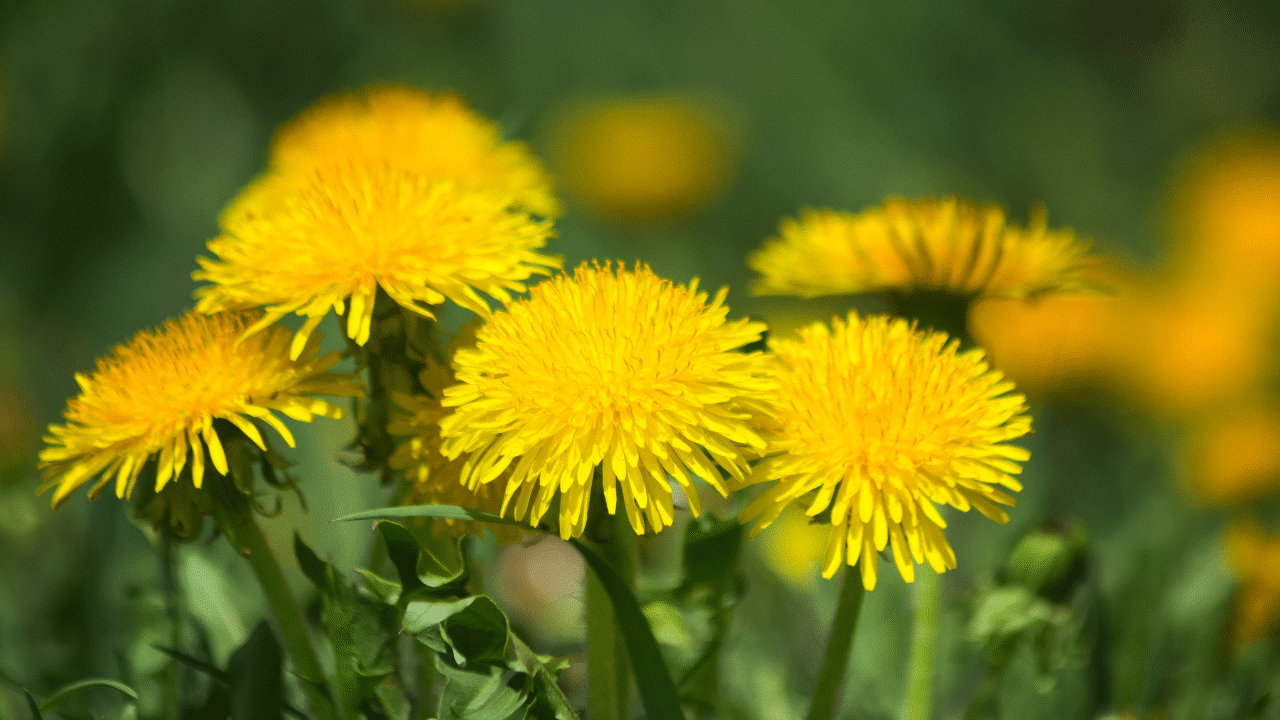
Other Common Names: Chiang Nou Ts'Ao, Chin Tsan Ts'Ao, Common
Dandelion, Diente De Leon, Hindiba Berri, Huang Hua Ti Ting, Kara
Hindiba, Khas Berri, Kou Ju Ts'Ao, Lion's Tooth, Maitiainen, P'O Kung
Ying, P'U Kung Ying, Pissenlit, Priest's Crown, Pu Gong Ying,
Seiyo-Tanpopo, Swine's Snout, Taraxacum officinale.
Range: Australia; Britain; China; Finland; France; Iraq; Mexico; Nepal; Russia; Spain; Turkey; USA
Habitat: A very common weed of grassland and cultivated ground.
The Dandelion, though not occurring in the Southern Hemisphere, is
at home in all parts of the north temperate zone, in pastures, meadows
and on waste ground, and is so plentiful that farmers everywhere find
it a troublesome weed, for...
Other Common Names: Grapple Plant, Harpogophytum procumbens
Range: Southern and Eastern Africa, Namibia, Madagascar
Numerous tribes native to southern Africa have used devil?s claw for
a wide variety of conditions, ranging from gastrointestinal
difficulties to arthritic conditions. Devil?s claw has been widely used
in Europe as a treatment for arthritis. It is anti-inflammatory,
anodyne, hepatic.
From the flowers grow woody, sharply curved, barbed fruits, which
give devil?s claw its name. Although the name comes from the fruit, the
part of the plant used for its medicinal value is the tuber.
The active principle in devil?s claw, which is used to standardize
products, is a glycoside called harpagoside. Other constituents include
beta-sitosterol, harpagide,...
Other Common Names: Black Sampson, Black Sampson Coneflower,
Blacksamson, Blacksamson Echinacea, Coneflower, Narrow-leaved, E
Angustifolia, Var Angustifolia, Echinacea Angustifolia, Black Sampson,
Kansas Snakeroot, Kansas Snakeroot, Narrowleaf Coneflower, Narrowleaved
Coneflower, Narrowleaved Purple Coneflower, Niggerhead, Purple
Coneflower, Roter Sonnenhut, Rudbeckia, Rudbeckie Rouge, Snakeroot,
Kansas, Zonnehoed, Echinacea angustifolia
Range: N. America - Manitoba, Saskatchewan and North Dakota south to Texas; France; Germany; Netherlands; Turkey
Habitat: Dry prairies and barrens.
Echinacea are herbaceous perennials of the daisy family. Echinacea
may have either simple or branched stems. The flowers are large and
daisy-like and are sometimes known as coneflowers because of the raised
capitulum containing disc florets to which are attached ray florets. It
has a faint aromatic...
Other Common Names: Black Elder, Bore Tree, Bour Tree,
Bourtree, Common Elder, Elder, Elder Rind, Ellhorn, European Black
Elder, European Elder, Khaman Kabir, Murver Agaci, Pipe Tree, Pipetree,
Sauco, Seiyo-Niwatoko, Zovika, Sambucus nigra
Range: Britain; Europe; France; Iraq; Spain; Turkey; Yugoslavia
Habitat: Hedgerows, scrub, woods, roadsides, waste places etc, especially on disturbed base-rich and nitrogen rich soils.
Elder has a very long history of household use as a medicinal herb
and is also much used by herbalists. The plant has been called 'the
medicine chest of country peope'. The flowers are the main part used in
modern herbalism, though all parts of the plant have been used at times.
The...
Other Common Names: Chin Ch'Ien Chu, Chin Ch'Ien Hua,
Elecampagne, Elecampane Inula, Elf Dock, Enula, Helenio, Helenium,
Horseheal, Hsuan Fu Hua, Induzotu, Mu Xiang, O-Oguruma, Scabwort,
Velvet Dock, Wild Sunflower, Inula helenium
Range: Argentina; Britain; China; India; S.E. Europe; Spain; Turkey
Habitat: Fields, waysides, waste places, copses etc, often on moist soils in shade.
It is found wild throughout continental Europe, from Gothland
southwards, and extends eastwards in temperate Asia as far as Southern
Siberia and North-West India. As a plant of cultivation, it has
wandered to North America, where it has become thoroughly naturalized
in the eastern United States, being found from Nova Scotia to Northern
Carolina, and westward as...
Other Common Names: Chinese Ephedra, Ma Huang, Sima-Mao, Ephedra sinica
Range: E. Asia - N. China.
Habitat: Deserty areas. Sandy seashores and in temperate climates.
Ma Huang is a strongly stimulant acrid-tasting herb that is commonly
used in Chinese herbalism, where it is considered to be one of the 50
fundamental herbs.
Most members of this genus contain various medicinally active
alkaloids (but notably ephedrine) and they are widely used in
preparations for the treatment of asthma and catarrh. Ephedrine has a
similar effect to adrenalin in the body. It acts promptly to reduce
swellings of the mucous membranes and has antispasmodic properties,
thus making it valuable in the treatment of...
Other Common Names: Blue Gum Tree, Compact Blue Bum Eucalypt,
Eucalipto, Eucalypt, Okaliptus, Stringy Bark Tree, Tasmanian Blue Gum,
Tasmanian Bluegum, Eucalyptus globulus.
Range: Australia - Tasmania, Victoria; Now North and South Africa, India, and Southern Europe.
Habitat: Damp marshy areas on moist loams and clays. Found in hilly country or moist valleys in deep rich soils.
The tree is indigenous with a few exceptions to Australia and
Tasmania. The genus contains about 300 species and is one of the most
characteristic genera of the Australian flora.
It was Baron Ferdinand von M?ller, the German botanist and explorer
(from 1857 to 1873 Director of the Botanical Gardens in Melbourne),...
Other Common Names: Fever Plant, King's Cureall, Night Willow-herb, Scabish, Scurvish, Sun Drop, Oenothera biennis
Range: Eastern N. America - Labrador, south to Florida and Texas.
Habitat: Dunes, roadsides, railway banks and waste places, often in sandy soils.
The Evening or Tree Primrose, though originally a native of North
Arnerica, was imported first into Italy and has been carried all over
Europe, being often naturalized on river-banks and other sandy places
in Western Europe.
The bark and the leaves are astringent and sedative. They have a
proved of use in the treatment of gastro-intestinal disorders of a
functionl origin, whooping cough and asthma. A syrup made from the
flowers is...
Other Common Names: Common Eyebright, Drug Eyebright, Eufragia, Eufrasia, Euphrasia, Glossy Eyebright, Gozlukotu, Euphrasia officinalis
Range: Europe, Northern and Western Asia and North America.
Habitat: Moist grassland and chalky pastures, semi-parasitic on grass.
The name Euphrasia is of Greek origin, derived from Euphrosyne
(gladness), the name of one of the three graces who was distinguished
for her joy and mirth, and it is thought to have been given the plant
from the valuable properties attributed to it as an eye medicine
preserving eyesight and so bringing gladness into the life of the
sufferer. The same Greek word is also given to the linnet, whence
another old tradition says that...
Other Common Names: Blazing star, Fairywand, False Unicorn Root, Fausse Unicorne, Helonias, Starwort, Chamaelirion luteum
Range: Eastern N. America - New York to Florida, west to Arkansas, Illinois and Michigan.
Habitat: Low moist ground in meadows, thickets and rich woods.
Blazing star is a traditional remedy of the North American Indians
where it was used mainly as a woman's herb. It is widely used in
Western herbal medicine where it is seen as a balancing herb for the
female reproductive system and has proved to be a beneficial remedy for
menstrual problems and ovarian cysts - it can also be of help in the
menopause.
It is useful in...
Other Common Names: Adas Landi, Adas Londa, Adas Pedas, Anis,
Anis Vert, Comino, Fenkel, Finocchio Forte, Hinojo, Hsiao Hui Hsiang,
Hui Hsiang Chiu, Kaneer Razbana, L'Anis, La Nuit, Raziyane, Rezene,
Shamar, Shbint, Shih Lo, Sweet Fennel, Tzu Mo, Tzu Mu Lo, Uikyo, Wild
Fennel, Foeniculum vulgare
Range: Britain; China; Dominican Republic; Ethiopia; Europe;
France; Haiti; Iraq; Italy; Japan; Kurdistan; Malaya; Mexico; Spain;
Turkey; Venezuela
Habitat: Found most often in dry stony calcareous soils near the sea.
For the medicinal use of its fruits, commonly called seeds, Fennel
is largely cultivated in the south of France, Saxony, Galicia, and
Russia, as well as in India and Persia.
This plant was attached by Linnaeus...
Other Common Names: Alholva, Bird's Foot, Boyotu, Chinagreye,
Foenum Graecum, Greek Hay-seed, Halva, Helba, Hu Lu Pa, K'U Tou,
Kelabat, Koroha, Methi, Shimli, Sickle-fruit Fenugreek, Sicklefruit
Fenugreek, Trigonella foenum-graecum
Range: Europe - Austria; Belgium; Chile; China; Egypt; S.
France; Hungary; India; Iraq; Java; Malaya; Mediterranean; Spain;
Sudan; Turkey
Habitat: Field verges, uncultivated ground, dry grasslands and hillsides
The name comes from Foenum-graecum, meaning Greek Hay, the plant
being used to scent inferior hay. The name of the genus, Trigonella, is
derived from the old Greek name, denoting 'three-angled,' from the form
of its corolla. The seeds of Fenugreek have been used medicinally all
through the ages and were held in high repute...
Other Common Names: Altamisa De Castilla, Amargosa, Featherfoil, Midsummer Daisy, Manzanilla, Matricaria, Varadika, Tanacetum parthenium
Range: Colombia; Dominican Republic; Mexico; S.E. Europe to Asia; Spain; Turkey; USA; Venezuela
Habitat: Mountain scrub, rocky slopes, walls, waste places and a weed of gardens, avoiding acid soils.
Feverfew (a corruption of Febrifuge, from its tonic and
fever-dispelling properties) is a composite plant growing in every
hedgerow, with numerous, small, daisy-like heads of yellow flowers with
outer white rays, the central yellow florets being arranged on a nearly
flat receptacle, not conical as in the chamomiles. The whole plant has
a strong and bitter smell, and is particularly disliked by bees.
Feverfew has...
Other Common Names: Common Solomon's Seal, Eurasian Solomon's
Seal, He-shou-wu, Polygonatum, Lady's Seals, St. Mary's Seal, Sigillum
Sanctae Mariae, Solomon's Seal, Polygonatum multiflorum
Range: Europe, a native of Northern Europe and Siberia
Habitat: Woodland, usually on limestone. A very hardy plant. It prefers a light soil and a shady situation, being a native of woods.
Solomon's seal has been used for thousands of years in herbal
medicine. It is used mainly in the form of a poultice and is believed
to prevent excessive bruising and to stimulate tissue repair. The
bruised roots were much used as a popular cure for black eyes, mixed
with cream.
The root is astringent, demulcent,...
Other Common Names: Various forms of the family - Guttiferae. Garcinia kola, bitter kola, Malabar tamarind, Garcinia cambogia
Range: SE Asia, West and Central Africa
Habitat: Moist forest
Garcinia has been used historically in India for treatment of edema,
delayed menstruation, constipation and intestinal parasites. This herb
is currently used in the United States as a component of weight loss
formulas. Various species of South Asian plants of the genus Garcinia
(particularly Garcinia cambogia) have high contents of hydroxycitrate
(HCA), which is the active ingredient in this and many other currently
marketed weight loss products. However, it has not yet been shown, in
controlled studies published in the scientific literature,...
Other Common Names: Ail, Ail De Cuisine, Ajo, Bawang Poetih,
Bawang Puteh, Cropleek, Cultivated Garlic, Hsiao Suan, Lai, Lasan, Poor
Man's Treacle, Rosina, Samersaq, Sarimsak, Sir, Suan, Thum, Allium
sativum
Range: Original habitat is obscure. Austria; Britain;
Bulgaria; Canada; China; Cuba; Dominican Republic; Egypt; France;
Haiti; India; Iraq; Kurdistan; Malaya; Mexico; Pakistan; Panama;
Paraguay; Puerto Rico; Russia; South Africa; Spain; Trinidad; Turkey;
USA; Venezuela
Habitat: Not known in a truly wild situation. The soil may be
sandy, loam or clay, though Garlic flourishes best in a rich, moist,
sandy soil. Garlic beds should be in a sunny spot.
Composition: Root (Dry weight)- Water: 0 Calories: 360
Protein: 13.5 Fat: 0.7 Carbohydrate: 82 Fiber:...
Other Common Names: Bitter Root, Bitterwort, Centiyane, Genciana, Yellow Gentian, Gentiana lutea
Range: C. and S. Europe
Habitat: Grassy alpine and sub-alpine pastures, usually on calcareous soils.
All the known species are remarkable for the intensely bitter
properties residing in the root and every part of the herbage, hence
they are valuable tonic medicines. That most commonly used is Gentiana
lutea, the Yellow Gentian. The root of this species is the principal
vegetable bitter employed in medicine, though the roots of several
other species are said to be equally efficacious. Before the
introduction of hops, Gentian, with many other bitter herbs, was used
occasionally in brewing.
The medicinal parts are the...
Other Common Names: Zingiber officinale
Range: Said to be a native of Asia. Cultivated in West Indies, Jamaica, Africa.
Valued primarily for the distinctive tang it lends to cuisine,
Ginger Root also has proven medicinal effects. Ginger is a classic
tonic for the digestive tract. Classified as an aromatic bitter, it
stimulates digestion. Its ability to prevent vomiting has been verified
by clinical trial, and it has been shown to stimulate the intestines
and promote production of saliva, digestive juices, and bile. It also
tends to boost the pumping action of the heart. Ginger may be used as a
stimulant of the peripheral circulation in cases of bad circulation,
chilblains...
Other Common Names: Ginkgo, Icho, Ityo, Maidenhair Tree, Pai Kuo, Yin Hsing, Yin Kuo, Ginkgo biloba
Range: E. Asia - N. China
Habitat: Found wild in only 2 localities at Guizhou and on the Anhui/Zhejiang border, where it grows on rich sandy soils.
Composition: Seed (Dry weight) - Water: 0 Calories: 403
Protein: 10.4 Fat: 3.3 Carbohydrate: 83 Fiber: 1.3 Ash: 3.5 Calcium: 11
Phosphorus: 327 Iron: 2.6 Sodium: 15 Potassium: 1139 Vitamin A: 392
Thiamine: 0.52 Riboflavin: 0.26 Niacin: 6.1 Vitamin C: 54
Ginkgo has a long history of medicinal use in traditional Chinese
medicine, where the seed is most commonly used. Recent research into
the plant...
Other Common Names: Eye Balm, Eye Root, Ground Raspberry,
Hidrastis, Hydrastis, Indian Dye, Indian Paint, Jaundice Root, Orange
Root, Turmeric Root, Warnera, Wild Curcuma, Yellow Puccoon, Yellow
Root, Hydrastis canadensis
Range: Eastern N. America - Connecticut to Minnesota, Missouri and Kansas
Habitat: Rich shady woods and moist areas on woodland edges.
The North American plant Golden Seal produces a drug which is
considered of great value in modern medicine. The generic name of the
plant, Hydrastis, is derived from two Greek words, signifying water and
to accomplish, probably given it from its effect on the mucous membrane.
It is official in most Pharmacopoeias, several of which refer to its yellowing...
Other Common Names: Daun Kaki Kuda, Gagan-gagan, Hydrocotyle,
Indian Pennywort, Marsh Penny, Pegaga, Pegaga Tekukur, Pegaga Ular,
Pegagan, Penggaga, Thick-leaved Pennywort, White Rot, Centella asiatica
Range: E. Asia - India, China and Japan. Australia
Habitat: Old stone walls and rocky sunny places in lowland
hills and especially by the coast in central and southern Japan. Shady,
damp and wet places such as paddy fields, and in grass thickets.
Gotu kola is an outstandingly important medicinal herb that is
widely used in the Orient and is becoming increasingly popular in the
West. Its Indian name is 'Brahmi' which means 'bringing knowledge of
the Supreme Reality' and it has long been used...
Other Common Names: An Hua Ch'A, Assam Tea, Cay, Ch'A, Green
Tea, Hsueh Ch'A, Lo Chieh Ch'A, Ming, P'U Erh Ch'A, P'U T'O Ch'A, Shui
Sha Lien Ch'A, Tea, Wu I Ch'A, Thea sinensis, Camellia sinensis
Range: E. Asia - China? Exact origin is uncertain.
Habitat: Shaded areas at an elevation of 2100 - 2700 metres
in Yunnan. Prefers a woodland soil but thrives in a warm open
well-drained loam if leafmould is added.
Composition: Leaves (Dry weight) - Water: 0 Protein: 25.7 Fat: 6.5 Carbohydrate: 40.8 Ash: 5 caffeine: 3.3% tannin: 13%
It was formerly supposed that black and green tea were the produce
of distinct...
Other Common Names: Paullinia, Guarana Bread, Brazilian Cocoa, Uabano, Uaranzeiro, Paullinia Sorbilis, Paullinia Cupana
Range: Brazil, The genus Paullinia is predominantly neotropical, extending from Mexico and the southern United States to Argentina.
This climbing shrub took the name of its genus from C. F. Paullini,
a German medical botanist who died 1712. The seeds of Paullinia
Sorbilis are often used or mixed with those of P. Cupana. Guarana is
only made by the Guaranis, a tribe of South American Indians.
Guarana is undoubtedly among the stimulants that are attracting most
attention from the developed countries nowadays. All kinds of qualities
are being attributed to it, from that of...
Other Common Names: Bdellium Gum, Guggulipid, Gum Gugal, Salaitree Gugulipid, gum guggulu, Commiphora mukul
Range: Northeast Africa, Afghanistan, India
Guggul is a tree which exudes a resinous sap out of incisions that
are made in its bark. This resin has been used for centuries as part of
India's traditional medicine called Ayurveda.
The Ayurvedic system of herbalism traces its roots to over five
thousand years ago to the Himalayan Mountains of India. According to
Ayurvedic philosophy, health is dependent upon one's ability to live in
harmony with one's self and with the external universe. Ayurvedic
herbal formulations, like those of the Chinese, are combinations of
many different herbs that work...
Other Common Names: Gurmarbooti, gurmar, Gymnema Sylvestre
Range: Deccan peninsula, Assam, and some parts of Africa.
Gymnema sylvestre (GS) is a woody climbing plant that grows in the
tropical forests of central and southern India. The leaves are used in
herbal medicine preparations. G. sylvestre is known as "periploca of
the woods" in English and mesbasringi (meaning "ram's horn") in
Sanskrit. The leaves, when chewed, interfere with the ability to taste
sweetness, which explains the Hindi name gurmar - "destroyer of sugar."
Plant constituents include two resins (one soluble in alcohol),
gymnemic acids, saponins, stigmasterol, quercitol, and the amino acid
derivatives betaine, choline and trimethylamine.
Gymnema sylvestre is a...
Other Common Names: Common Hawthorn, Espino Albar, Haw, One-seed Hawthorn, Whitethorn, Crataegus monogyna, C. oxyacantha
Range: Europe, North Africa, Western Asia.
Habitat: Woods, hedges, thickets etc, on most soils except wet peat and poor acid sands.
Hawthorn is an extremely valuable medicinal herb. It is used mainly
for treating disorders of the heart and circulation system, especially
angina. Western herbalists consider it a 'food for the heart', it
increases the blood flow to the heart muscles and restores normal heart
beat. This effect is brought about by the presence of bioflavonoids in
the fruit, these bioflavonoids are also strongly antioxidant, helping
to prevent or reduce degeneration of the blood...
Medicinal herbs are some of our oldest medicines and their
increasing use in recent years is evidence of a public interest in
having alternatives to conventional medicine. Herbal medicines
currently account for one of the fastest growing markets in U.S.
pharmacies and constitute a multi-billion dollar industry. Market size
is predicted to approximately double between 1997 and 2001. Although
approximately 1500 botanicals are sold as dietary supplements or ethnic
traditional medicines, herbal formulations are not subject to FDA
premarket toxicity testing to assure their safety or efficacy.
In response to concerns regarding the use and efficacy of medicinal
herbs and to recent nominations of these products for study by the...
...
Other Common Names: Hop; Common Hop, European Hops, Hoppu, Lupulin, Lupulo, Omerotu, Oubion, Serbetciotu, Humulus Lupulus
Range: Belgium; Britain; China; Germany; Nepal; Russia; Spain; Turkey; USA;
Habitat: Hedgerows, woodlands and sunny waste ground.
The origin of the name of the Hop genus, Humulus, is considered
doubtful, though it has been assumed by some writers that it is derived
from humus, the rich moist ground in which the plant grows. The
specific name Lupulus, is derived from the Latin, lupus (a wolf),
because, as Pliny explains, when produced among osiers, it strangles
them by its light, climbing embraces, as the wolf does a sheep. The
English name Hop comes...
Other Common Names: Common Horehound, Hashishat Al Kalib,
Hoarhound, Houndsbane, Itsinegiotu, Marrubio, Niga-Hakka, Qutainah,
White Horehound, Wild Horehound, Woolly Horehound, Marrubium vulgare
Range: Britain; Europe; Iraq; Kurdistan; Mexico; Sicily; Spain; Turkey; USA
Habitat: Downs, waste places and roadsides. White Horehound is a hardy plant, easily grown, and flourishes best in a dry, poor soil.
The Romans esteemed Horehound for its medicinal properties, and its
Latin name of Marrubium is said to be derived from Maria urbs, an
ancient town of Italy. Other authors derive its name from the Hebrew
marrob (a bitter juice), and state that it was one of the bitter herbs
which the Jews were ordered to...
Other Common Names: Atkestanesi, Buckeye, Castagno D'India,
Castanheiro Da India, Castano De India, Castano De Indias, Castogno
D'India, Chataigne De Cheval, Common Horse Chestnut, Eschilo, Horse
Chestnut, Ippocastano, Marronnier D'Inde, Paarde Kastanje,
Rosskastanie, Seiyo-Toti-No-Ki, Spanish Chestnut, Wilde Kastanje,
Aesculus hippocastanum
Range: It is a native of northern and central parts of Asia.
Britain; France; Germany; Italy; Mexico; Netherlands; Portugal; Spain;
Turkey; USA
Habitat: Mountain woods.
It is an entirely different tree from the Sweet Chestnut, to which
it is not even distantly related. The name Aesculus (from esca, food)
was applied originally to a species of oak, which according to Pliny,
was highly prized for its acorns, but how it came to be...
Other Common Names: Bayirturpu, Great Raifort, Mountain
Radish, Rabano Rusticana, Red Cole, Wild Horseradish, Armoracia
rusticana, Cochlearia Armoracia
Range: Britain; Spain; Sweden; Turkey; USA
Habitat: Arable land, waste ground and by streams, favoring
slightly damp positions. Prefers a good deep moist well-drained soil
and a sunny position.
This plant has been in cultivation from the earliest times, but its
exact place of origin seems to be obscure. Hooker considers that it is
possibly a cultivated form of Cochlearia macrocarpa, a native of
Hungary; other authorities consider it indigenous to the eastern parts
of Europe, from the Caspian and through Russia and Poland to Finland.
In Britain and other parts of Europe from...
Other Common Names: At Quyroughi, Atkuyrugu, Bottle-brush,
Chieh Hsu Ts'Ao, Cola De Caballo, Corn Horsetail, Equiseto Menor, Field
Horsetail, Kilkah Asb, Prele, Scouring Rush, Sugina, Thanab Al Khail,
Vara De Oro, Wen Ching, Equisetum arvense
Range: Britain; Canada; China; Germany; Guatemala; Haiti; Iraq; Kurdistan; Mexico; Panama; Spain; Turkey; USA
Habitat: Open fields, arable land, waste places, hedgerows and roadsides, usually on moist soils.
Horsetails have an unusual chemistry compared to most other plants.
They are rich in silica, contain several alkaloids (including nicotine)
and various minerals. Horsetail is very astringent and makes an
excellent clotting agent, staunching wounds, stopping nosebleeds and
reducing the coughing up of blood. It helps speed...
Other Common Names: Asthma Weed, Gagroot, Pulseweed, Emetic Herb, Frengiotu, Lobelia, Wild Tobacco, Vomitroot, Lobelia inflata
Range: Northern N. America - Labrador to Saskatchewan, Georgia, Kansas and Arkansas.
Habitat: Meadows, fields, roadsides, waste places and open woods. Usually in dry soils.
Indian Tobacco was a traditional North American Indian remedy for a
wide range of conditions. Nowadays it is used mainly as a powerful
antispasmodic herb in the treatment of respiratory and muscle
disorders. Acting also as a respiratory stimulant, Indian Tobacco is a
valuable remedy for conditions such as bronchial asthma and chronic
bronchitis. In addition, the plant or its extracts have served to
induce vomiting, to...
Other Common Names: Ardij Aghaji, Common Juniper, Enebro, Havrest, Sabino Macho, Yoshu-Nezu, Juniperus communis
Range: Britain; Canada; Europe; Kurdistan; Malaya; North Africa; North Asia; USA
Habitat: Chalk downs, but only where there is least sunshine
and most rain, heaths, moors, pine and birch woods, on acid peat, often
dominant on chalk, limestone and slate.
Juniper fruits are commonly used in herbal medicine, as a household
remedy, and also in some commercial preparations. They are especially
useful in the treatment of digestive disorders plus kidney and bladder
problems.
The fully ripe fruits are strongly antiseptic, aromatic,
carminative, diaphoretic, strongly diuretic, rubefacient, stomachic and
tonic. They are used in the treatment of cystitis,...
Other Common Names: Ava Intoxicating Pepper, Ava Pepper, Kava Kava, Yagona, Piper methysticum
Range: Polynesia, Sandwich Islands, South Sea Islands. Official in the Australian Colonies.
The first Europeans to observe the kava plant and its ritualistic
consumption by natives of Oceania were Dutch explorers Jacob Le Maire
and William Schouten. In 1616, they encountered the plant in the Hoorn
Islands, now a part of the French territory Wallis and Fatuna. Later
travelers in the Pacific region provided a wealth of detail regarding
this highly valued and widely used pepper plant.
Long cultivated and known by a number of common names, the plant is
now classified by botanists as Piper...
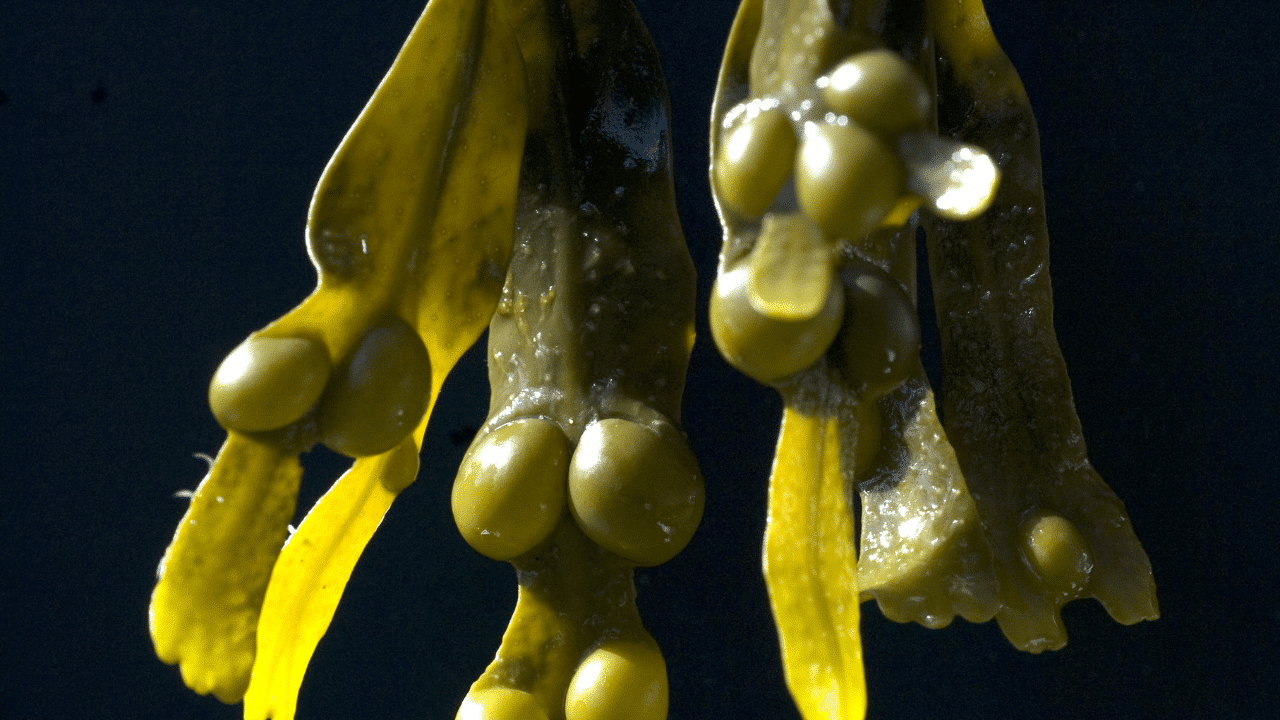
Other Common Names: Bladderwrack, Seawrack, Common Seawrack,
Laminaria, Fucus, Sargassum, Alaria esculenta, Nereocystis luetkeana,
Macrocystis pyrifera
Kelp forests occur in cold, nutrient-rich water and are among the
most beautiful and biologically productive habitats in the marine
environment. They are found throughout the world in shallow open
coastal waters, and the larger forests are restricted to temperatures
less than 20?C, extending to both the Arctic and Antarctic Circles. A
dependence upon light for photosynthesis restricts them to clear
shallow water and they are rarely much deeper than 15-40m. The kelps
have in common a capacity for some of the most remarkable growth rates
in the plant kingdom. In southern California, the Macrocystis...
Other Common Names: Geh Gen, Ko Fen, Ko Pu, Kudzu Vine, Kung Pu, Kuzu, Pueraria lobata, Pueraria thunbergiana
Range: E. Asia - Japan.
Habitat: Thickets and thin woods all over Japan.
Kudzu was introduced into the United States at the Philadelphia
Centennial Exposition in 1876 and into the South at the New Orleans
Exposition during 1884-1886. Some folks began using the plant as a
shade vine for their porches and arbors. Cows thought it tasty as a hay
and forage, but its stems made it difficult to harvest. The big break
for kudzu came during the Great Depression of the 1930's when the US
Government paid farmers $8.00 an...
Other Common Names: English Lavender, Lavanta, Lavender Vera, Lavandula angustifolia, L. officinalis
Range: Europe - Mediterranean.
Habitat: Dry grassy slopes amongst rocks, in exposed, usually
parched, hot rocky situations often on calcareous soils. Succeeds in
almost any soil so long as it is well-drained and not too acid.
Lavender was familiar to Shakespeare, but was probably not a common
plant in his time, for though it is mentioned by Spencer as 'The
Lavender still gray' and by Gerard as growing in his garden, it is not
mentioned by Bacon in his list of sweet-smelling plants. It is now
found in every garden, but we first hear of it being...
Other Common Names: Balm, Common Balm, Cytria, Hashishat Al
Nahil, Kovanutu, Ogulotu, Seiyo-Yama-Hakka, Sweet Balm, Toronjil,
Tronjan, Melissa officinalis
Range: C. and S. Europe, W. Asia and N. Africa, Panama, USA
Habitat: Waste places and derelict land near human
habitations. A very easily grown plant, it succeeds in any well-drained
soil in a sunny sheltered position.
The name is from the Greek word signifying 'bee,' indicative of the
attraction the flowers have for those insects, on account of the honey
they produce. It was formerly esteemed of great use in all complaints
supposed to proceed from a disordered state of the nervous system. The
London Dispensary (1696) says: 'An essence of...
Other Common Names: Cultivated Licorice, Gan Cao, Iriqsus,
Kan T'Sao, Kan Ts'Ao, Liquirita, Liquorice, Madhuka, Meyankoku, Mi
Ts'Ao, Regaliz, Russian Liquorice, Sus Maikik, Sweetwood, True
Licorice, Glycyrrhiza glabra
Range: Europe - Mediterranean, natives of South-east Europe and South-west Asia.
Habitat: Dry open places, especially in sandy places near the sea.
The Licorice of medicine and commerce is derived from the sweet root
of various species of Glycyrrhiza, a genus which contains about
fourteen species, natives of warmer temperate countries in both the New
and Old Worlds, ten of them having roots more or less sweet, but most
of them not sufficiently so to be of use.
Dioscorides, who names the plant...
Other Common Names: Chinese Privet, Glossy Privet, Nepal Privet, Nu Chen, Nu Chen P'I Chiu, Nu-zhen-zi, To-Nezumi-Moti, Ligustrum lucidum
Range: E. Asia - China.
Habitat: Roadsides and in river valleys.
Chinese privet has been used in traditional Chinese medicine for
over 1,000 years. The fruit is antibacterial, antiseptic, antitumour,
cardiotonic, diuretic and tonic. It is taken internally in the
treatment of complaints associated with weak kidney and liver energy
such as menopausal problems (especially premature menopause), blurred
vision, cataracts, tinnitus, rheumatic pains, palpitations, backache
and insomnia. Modern research has shown that the plant increases the
white blood cell count and is of value when used to prevent bone marrow
loss in...
Other Common Names: Carrotleaf Biscuitroot, Chocolate-tips,
Cough Root, Fernleaf Biscuitroot, Fernleaf Lomatium, Lepotaenia,
Leptotaenia, Lomatium dissectum
Range: Western N. America - southwards from Alberta and British Columbia.
Habitat: Open, often rocky slopes and dry meadows, often on talus.
Fernleaf biscuitroot was widely employed medicinally by many native
North American Indian tribes who considered it to be a universal
panacea and used it especially in treating chest problems and skin
complaints. This is an important native American Pacific Northwest
anti-viral herb. Works where other anti-virals fall short. Fresh root
(alcoholic) extract is best mode of administration. Lomatium was used,
particularly in the southwestern United States, during the influenza
pandemic of 1917 with reportedly...
Other Common Names: Dancing Mushroom, Hen of the woods, Grifola Frondosa
Range: Maitake grows in the northern part of the Temperate
Zone in the Northern Hemisphere and is found throughout Japan, Europe,
and North America.
Habitat: Grows wild in temperate climates. At the base of old
hardwood, especially Quercus mongolica var. grosseserrata in woods,
also Castanopsis cuspdata var. Sieboldii in the parks, as well as on
the trunks and roots.
There are three homologs of Maitake, Grifola frondosa: Shiromaitake,
Grifola albicans; choreimaitake, Grifola umbellata; and Tonbimaitake,
Grifola gigantea.
The scientific name of Maitake, "Grifola frondosa" comes from the
common name of a fungus found in Italy. This name refers to a mythical
beast...
Other Common Names: Manuka, Melaleuca alternifolia
Range: Australia - New South Wales, Queensland; East Indies.
Haitat: Swamps by the coast. Requires a fertile, well-drained moisture retentive lime-free soil in full sun.
In 1770, on an expedition to Australia, the renowned world explorer
Captain James Cook of the British Royal Navy wrote in his ship's log
how the local tribes brewed a spicy tea from the leaves of a unique
"paper-barked" tree. He gave the tree the name "Tea Tree". The
aborigines used the leaves extensively. Stories are told of animals
seeking out, and rolling and soaking in the oil-containing amber waters
underneath the trees. The aborigines would crush the...
Other Common Names: Altea, Common Marshmallow, Ghasul, Hatmi,
Iviscus, Khatmah, Khitmi, Mallow, Malvavisco, Usubeni-Tati-Aoi, White
Mallow, Althaea officinalis
Range: Marsh Mallow is a native of most countries of Europe, from Denmark southward.
Habitat: The upper margins of salt and brackish marshes, sides of ditches and grassy banks near the sea.
The whole plant, particularly the root, abounds with a mild
mucilage, which is emollient to a much greater degree than the common
Mallow. The generic name, Althaea, is derived from the Greek, altho (to
cure), from its healing properties. The name of the order, Malvaceae,
is derived from the Greek, malake (soft), from the special qualities of
the Mallows in...
Other Common Names: Bridewort, Ergecsakali, European Meadowsweet, Queen Of The Meadow, Ulmaria, Filipendula ulmaria, Spireaea ulmaria
Range: throughout Europe, North America, and northern Asia.
Habitat: Wet ground in swamps, marshes, fens, wet woods and meadows, wet rock ledges and by rivers, but not on acid peats.
The name Ulmaria is given in allusion to the resemblance of its
leaves to those of the Elm (Ulmus), being much wrinkled on the upper
side.
Gerard says:
'It is reported that the floures boiled in wine and drunke do take away
the fits of a quartaine ague and make the heart merrie. The distilled
water of the floures dropped into the eies...
Environmental Health Perspectives Volume 107, Number 12, December 1999
The National Toxicology Program (NTP) has announced that it will
design and initiate studies to identify and characterize possible
adverse health effects that may be associated with prolonged use or
higher doses of some of the most popular medicinal herbs, including Ginkgo biloba , Echinacea angustifolia, and Panax quinquefolius (American Ginseng).
The NTP studies a large variety of substances to which the population
may be exposed in the environment, occupationally, in the food supply,
or elsewhere.
Little has been scientifically confirmed regarding either the
adverse or beneficial health effects of most of the 1,500-plus herbal
products stocked in America's drug stores,...
Other Common Names: Blessed Milk-thistle, Cardo Mariano, Holy
Thistle, Kanger, Kenger, Ku'Ub, Lady's Thistle, Maria-Azami,
Meryemanadikeni, St Mary's Milk Thistle, Thistle, Variegated Thistle,
Silybum marianum
Range: S. Europe, N. Africa and W. Asia.
Habitat: Waste places, usually close to the sea, especially if the ground is dry and rocky.
The Marian, or Milk Thistle, is perhaps the most important
medicinally among the members of this genus, to which all botanists do
not, however, assign it, naming it Silybum Marianum.
Westmacott, writing in 1694, says of this Thistle: 'It is a
Friend to the Liver and Blood: the prickles cut off, they were formerly
used to be boiled in the Spring and...
Other Common Names: Adam's Flannel, Beggar's Blanket,
Bullock's Lungwort, Bonhomme, Borraja, Common Mullein, Flannel Mullein,
Flannel Plant, Feltwort, Fluffweed, Hare's Beard Gordolobo, Great
Mullein, Jupiter's Staff, Molene, Pano, Sigirkuyrugu, Velvet Dock,
Velvet Plant, Verbascum thapsus
Range: Chile; Dominican Republic; Eurasia; Europe; Haiti;
India; Spain; Turkey; USA (is exceedingly abundant as a naturalized
weed in the eastern States).
Habitat: Sunny positions in uncultivated fields and waste ground, especially on dry soils.
The down on the leaves and stem makes excellent tinder when quite
dry, readily igniting on the slightest spark, and was, before the
introduction of cotton, used for lamp wicks, hence another of the old
names: 'Candlewick Plant.' An old superstition existed...
Other Common Names: Balsamodendron Myrrha, Commiphora Myrrha
Range: northeastern Africa and the Middle East.
It has been used from remote ages as an ingredient in incense,
perfumes, etc., in the holy oil of the Jews and the Kyphi of the
Egyptians for embalming and fumigations.
Little appears to be definitely known about the collection of myrrh.
It seems probable that the best drug comes from Somalia, is bought at
the fairs of Berbera by the Banians of India, shipped to Bombay, and
there sorted, the best coming to Europe and the worst being sent to
China. The true myrrh is known in the markets as karam, formerly called
Turkey myrrh,...
Other Common Names: Bigstring Nettle, Common Nettle, Common
Stinging Nettle, Gerrais, Greater Nettle, Isirgan, Kazink, Nabat Al
Nar, Ortiga Mayor, Stinging Nettle, Urtica dioica
Range: Australia; Britain; Canada; Czech Republic; Asia; Europe; India; Iraq; Kurdistan; South Africa; Spain; Turkey; USA
Habitat: Waste ground, hedgerows, woods etc, preferring a rich soil and avoiding acid soils.
Nettles have a long history of use in the home as a herbal remedy
and nutritious addition to the diet. A tea made from the leaves has
traditionally been used as a cleansing tonic and blood purifier so the
plant is often used in the treatment of hay fever, arthritis, and
anemia.
The whole plant is...
Other Common Names: Common Oak, Cervalho, Chene, Encina, English Oak, Mese, Oak, Pedunculate Oak, Rovere, Quercus robur
Range: Widely distributed over Europe; Asia; Britain; Chile; USA.
Habitat: Often the dominant woodland tree, especially on clay soils but avoiding acid peat and shallow limestone soils.
The Greeks held the Oak sacred, the Romans dedicated it to Jupiter, and the Druids venerated it.
The genus Quercus comprises numerous species, distributed widely
over the Northern Hemisphere, and found also in Java, and the Mountains
of Mexico and South America.
The oak tree has a long history of medicinal use. It is
antiinflammatory, antiseptic, astringent, decongestant, haemostatic and
tonic. The bark is the...
Other Common Names:Usnea barbata
Range: North American, Asia and Europe
Habitat: Hanging from trees in forests.
Usnea is not a plant but a lichen?a symbiotic relationship (a
combination of two organisms which live together intimately) between an
algae and a fungus. Because of its bitter taste and ability to
stimulate digestion, usnea was historically used to treat indigestion.
Many species of usnea are used medicinally, including U. hirta, U.
barbata, U. florida, U. longissima and U. dasypoga. The herb's use
dates back to ancient Egypt, Greece and China where it was called
Sun-lo and was used to cool an overheated system and treat surface
infections. The Formulary of Al-kindi, circa A.D....
Other Common Names: Agrecillo, Berberi, Epine Vinette,
Holly-Leaved Barberry, Holly-leaf Oregon-grape, Mahonia, Mountain
Grape, Yerba De Sangre, Mahonia aquifolium, Berberis aquifolium
Range: Western N. America, also grows in Europe.
Habitat: Mixed coniferous woods to 2000 metres. A very easy
plant to grow, thriving in any good garden soil and tolerating dense
shade under trees.
Oregon grape is a close relative of barberry
(Berberis vulgaris). It was often used by several native North American
Indian tribes to treat loss of appetite and debility. Its current
herbal use is mainly in the treatment of gastritis and general
digestive weakness, to stimulate the kidney and gallbladder function
and to reduce catarrhal problems.
The root and root...
Other Common Names: Carkifelek, Charkhi Felek, Granadilla,
Maypop, Maypop Passionflower, Purple Passion-flower, Saa'T Gulu, Ward
Assa'Ah, Zahril Aalaam, Passiflora incarnata
Range: Eastern N. America - Virginia and Kentucky, south to Florida and Texas.
Habitat: Sandy thickets and open soils. Fields, roadsides, fence rows and thickets.
The Passion Flowers are so named from the supposed resemblance of
the finely-cut corona in the centre of the blossoms to the Crown of
Thorns and of the other parts of the flower to the instruments of the
Passion of Our Lord. Passiflora incarnata has a perennial root, and the
herbaceous shoots bear three-lobed, finelyserrated leaves and
flesh-colored or yellowish, sweet-scented flowers, tinged with purple.
The...
Other Common Names: Candymint, Mentha Piperita, Mentha x piperita vulgaris
Range: throughout Europe, USA, almost everywhere.
Habitat: A natural hybrid, found in moist soils in ditches,
waste places etc. In America it is probably even more common as an
escape than Spearmint, having long been known and grown in gardens.
Pliny tells us that the Greeks and Romans crowned themselves with
Peppermint at their feasts and adorned their tables with its sprays,
and that their cooks flavored both their sauces and their wines with
its essence. Two species of mint were used by the ancient Greek
physicians, but some writers doubt whether either was the modern
Peppermint, though there is...
Other Common Names: Bhuamalaki, Bhuy amalaki, Niruri, bhuiamla, bahupatra, Phyllanthus niruri, Phyllanthus urinaria, Phyllanthus amarus
Range: India, China, and the Tropics.
Phyllanthus has been used in Ayurvedic
medicine for over 2,000 years and has a wide number of traditional
uses. This includes employing the whole plant for jaundice, gonorrhea,
frequent menstruation, and diabetes and using it topically as a
poultice for skin ulcers, sores, swelling, and itchiness. The young
shoots of the plant are administered in the form of an infusion for the
treatment of chronic dysentery.
Phyllanthus niruri is the most effective of a group of closely
related species that grow in India, China, and tropical locations
ranging from the...
Other Common Names: Ananas, Pina, Ananas comosus
Range: Native to the American Tropics, southern Brazil and
Paraguay, the cultivated pineapples are grown mainly between latitudes
24?N and 25?S, principally at lower altitudes, in many countries where
climatic conditions are favorable.
Habitat: They are tolerant of a wide range of soils providing
they possess good drainage, soil aeration, and a low percentage of
lime. Sandy loam, mildly acid and of medium fertility, is best.
Composition: Per 100 g, the fruit is reported to contain
47?52 calories, 85.3?87.0 g H1O, 0.4?0.7 g protein, 0.2?0.3 g fat,
11.6?13.7 g total carbohydrate, 0.4?0.5 g fiber, 0.3?0.4 g ash, 17?18
mg Ca, 8?12 mg P, 0.5...
Other Common Names: Fleawort,
Isphagula, Psyllion, Psyllios, Psyllium Plantain, Psyllium Seeds, Plantago ovata, Plantago ispaghula, Plantago psyllia
Range: Europe - Mediterranean to E. Asia - India
Habitat: Dry places in S. Europe. Found wild on most well-drained soils.
Psyllium has been used as a safe and effective laxative for thousands of years in Western herbal medicine.
Both the dried seeds and the seed husks are demulcent, emollient,
laxative and may be used internally and externally in the same manner
as flaxseed, which they closely resemble in medicinal properties.
The seeds have a mucilaginous coat and swell to several times their
volume when in water. The seeds and the...
Other Common Names: African Prune, Pygeum africanum
Pygeum is an evergreen tree found in the higher elevations of
central and southern Africa. Its bark, once used as a tea for relief of
urinary disorders, has been found to contain not one, but three types
of compounds that relieve the symptoms of prostate enlargement BHP
(benign prostatic hyperplasia).
Beta-sitosterol, the most important of the three, interferes with
the formation of prostaglandins that cause inflammation and swelling in
the prostate. Pentacyclic terpenes also reduce swelling. And ferulic
esters combat enlargement by reducing levels of prolactin, a hormone
which promotes uptake of growth-promoting testosterone in the prostate.
European scientists were so impressed with reports...
Other Common Names: Ahududu, American Red Raspberry, Common
Red Raspberry, European Red Raspberry, Framboises, Frambosia,
Frambueso, Wild Raspberry, Rubus idaeus
Range: Europe; France; Haiti; Spain; Turkey; USA
Habitat: Moist neglected land, hedgerows and woodland edges. Prefers a good deep well-drained loamy soil on the acid side.
The Raspberry grows wild as far north as lat. 70 degrees, and
southward it appears to have been abundant on Mount Ida, in Asia Minor,
lat. 39 degrees 40'. It was known to the Ancients, and Linnaeus
retained the classic name of Ida, with which it was associated by
Dioscorides. It was called in Greek Batos Idaia, and in Latin Rubus
Idaea, the Bramble...
Other Common Names: Ling chih, Ling zhi, Mannentake, Ganoderma Lucidum
Western culture has often frowned on mushrooms, even fearing the
small innocuous forest growth. The French prize their truffles, but
even truffles and other edible fungi and mushrooms are not as highly
valued or show as much potential as a species of mushrooms called Ling
Zhi or Reishi.
Reishi mushrooms are polypore mushrooms. Mushrooms are the fruiting
body and reproductive structure of a higher order fungus organism, much
like an apple is the fruit of an apple tree. The actual mushroom "tree"
is a fine thread-like network called mycelium. This mycelium is for the
most part subterranean, living in soil,...
Other Common Names: Anthos, Biberiye, Compass-weed, Dew Of The Sea, Mannen-Ro, Polar Plant, Romarin, Romero, Romero Comun, Rosmarinus officinalis
Range: S. Europe to W. Asia.
Habitat: Dry scrub and rocky places, especially near the sea. Prefers a hot sunny position and a slightly alkaline light dry soil.
The Ancients were well acquainted with the shrub, which had a
reputation for strengthening the memory. On this account it became the
emblem of fidelity for lovers. It holds a special position among herbs
from the symbolism attached to it. Not only was it used at weddings,
but also at funerals, for decking churches and banqueting halls at
festivals, as incense...
Other Common Names: Broadleaf Sage, Common Sage, Dalmatian Sage, Garden Sage, Kitchen Sage, Salvia, Sarubia, Tibbi Adacayi, Salvia officinalis
Range: Britain; Europe; Spain; Turkey; USA
Habitat: Dry banks and stony places, usually in limestone
areas and often where there is very little soil. Requires a very
well-drained light sandy soil in a sunny position.
The name of the genus, Salvia, is derived from the Latin salvere, to
be saved, in reference to the curative properties of the plant, which
was in olden times celebrated as a medicinal herb. This name was
corrupted popularly to Sauja and Sauge (the French form), in Old
English, 'Sawge,' which has become our present-day...
...
...
Other Common Names: Sabal, Serenoa repens, Sabal serrulata
Range: Southeastern N. America - South Carolina to Florida, west to Arkansas.
Habitat: Low pine woods, savannas and thickets, where it often forms substantial thickets. Also found on coastal sand dunes.
Saw palmetto, a member of the palm family Arecaceae, is native to
the West Indies and the Atlantic Coast of North America, from South
Carolina to Florida. Saw palmetto berries contain sterols and lipids,
including relatively high concentrations of free and bound sitosterols.
The following chemicals have been identified in the berries:
anthranilic acid, capric acid, caproic acid, caprylic acid, -carotene,
ferulic acid, mannitol, beta-sitosterol, beta-sitosterol-D-glucoside,
linoleic acid, myristic acid, oleic...
Other Common Names: Wu-wei-zi, Schisandra chinensis
Range: E. Asia - China, Japan, Korea.
Habitat: Mixed forests, especially on the margins, also by streams and brooks, usually on sandy soils.
Wu Wei Zi is commonly used in Chinese herbalism, where it is
considered to be one of the 50 fundamental herbs. It is an excellent
tonic and restorative, helping in stressful times and increasing zest
for life. It is considered to be a substitute for ginseng and is said
to be a tonic for both the male and the female sex organs.
The fruit is antitussive, aphrodisiac, hepatic, astringent,
cardiotonic, cholagogue, expectorant, hypotensive, lenitive, nervine,
pectoral, sedative, stimulant and tonic. Low...
Other Common Names: Blue Skullcap, Mad Dog Scullcap, Madweed, Virginian Scullcap, Scutellaria lateriflora
Range: N. America - Newfoundland to British Columbia, south to Florida and Ontario.
Habitat: Alluvial thickets, meadows and swampy woods.
The American species, Virginian Scullcap, flowering in July, with
inconspicuous blue flowers in one-sided racemes, is one of the finest
nervines ever discovered.
Popularly this plant is known in America as Mad-dog Scullcap or
Madweed, having the reputation of being a certain cure for hydrophobia.
A commonly used herbal medicine, virginian skullcap is a very
effective nervine that has traditionally been used in the treatment of
a wide range of nervous conditions. Its tonic and restorative
properties help...
Other Common Names: Alexandrian Senna, Nubian Senna, Cassia
Senna, Cassia lenitiva, Cassia Lanceolata, Cassia officinalis, Cassia
aethiopica, Senna acutifolia, Egyptian Senna, Sene de la palthe,
Tinnevelly Senna, East Indian Senna, Cassia angustifolia, Cassia
Acutifolia
Range: Egypt, Nubia, Arabia, Sennar
Several species of Cassia contribute to the drug of commerce, and
were comprised in a single species by Linnaeus under the name of Cassia
Senna. Since his day, the subject has been more fully investigated, and
it is known that several countries utilize the leaves of their own
indigenous varieties in the same way. The two most widely exported and
officially recognized are C. acutifolia and C. angustifolia (India or
Tinnevelly Senna).
Senna is...
Other Common Names:: Hua gu, Lentinan edodes
The cultivation of L. edodes (shiitake) first began in China about
AD 1100. It is believed that shiitake cultivation techniques developed
in China were introduced to the Japanese by Chinese growers.
Various species of trees have been used for the cultivation of
shiitake. One of the primary species used in one area of Japan in past
years was the shii tree--thus the derivation of the name shii-take.
Most production today, however, is on various species of oak.
Medicinal properties have been attributed to mushrooms for thousands
of years. Mushroom extracts are widely sold as nutritional supplements
and touted as beneficial for health.
Shiitake is...
Other Common Names: Siberian Ginseng, Eleutherococcus senticosus
Range: E. Asia - China, Japan, Siberia.
Habitat: Mixed and coniferous mountain forests, forming small
undergrowth or groups in thickets and edges. Sometimes found in oak
groves at the foot of cliffs, very rarely in high forest riparian
woodland.
Siberian Ginseng is a relatively new addition to Western natural
medicine, but has quickly gained a reputation similar to that of the
better known and more expensive Chinese Ginseng. Though the chemical make-up of the two herbs differs, their effects seem to be similar.
Siberian ginseng is a powerful tonic herb with an impressive range
of health benefits. Unlike many herbs with a medicinal...
Other Common Names: Amerikan Karaagaci, Indian Elm, Moose Elm, Red Elm, Sweet Elm, Ulmus rubra, Ulmus fulva
Range: Central and Southern N. America - Maine to Florida, west to Texas and North Dakota.
Habitat: Rich deep soils, often calcareous, on the banks of streams and low rocky hillsides.
The inner bark has important medicinal value and is an official drug of the United States Pharmacopoeia.
The bark, which is the only part used, is collected in spring from
the bole and larger branches and dried. Large quantities are collected,
especially in the lower part of the state of Michigan. As the wood has
no commercial value, the...
Other Common Names: Chiang, Chiang Yu, Hei Tou, Huang Tou,
Jen Shu, Jung Shu, Pai Tou, Shih Tou, Shih Yu, Shu, Soy Bean, Soya,
Soya Fasulyasi, Soybean, Ta Tou, Ta Tou Huang Chuen, Ta Tou Shih, Tou
Fu, Tou Huang, Tou Yu, Wild Soybean, Glycine max
Range: Asia; China; India; Japan; USA
Habitat: Lowland thickets. A subtropical plant, but its
cultivation extends from the tropics to 52?N. In the US it has its
greatest development in the corn belt. Grows best on fertile,
well-drained soils, but does tolerate a wide range of soil conditions.
Composition: Raw seeds of Glycine max have been reported to
contain per 100 g, 139 calories,...
Other Common Names: Blue-Green Algae, Spirulina geitler, S. maxima, S. platenis
Spirulina is one of about 1,500 known species of blue-green algae
that grow in brackish ponds and lives in mild and hot climates
throughout the world. Pure spirulina is a source of protein and
contains a number of vitamins and minerals including beta carotene,
vitamin B12, and gamma linolenic acid. The WHO recognizes the
nutritional importance of spirulina in parts of the world where there
is protein malnutrition. However, in the amounts normally consumed when
taken according to label directions, the nutrients derived are
insignificant. As a food, spirulina can be legally marketed as long as
it is labeled...
Other Common Names: Candyleaf, Sugar Plant Of South America, Sweet Herb, Sweetleaf, Stevia rebaudiana
Range: S. America - Brazil, Paraguay
Habitat: Prefers a sandy soil, requiring a warm sunny position.
Stevia, a member of the Chrysanthemum family, is a plant native to
Paraguay. It has been used by the Guarani Indians since ancient times.
As a sugar substitute, it is available as a concentrated liquid,
crushed leaf or concentrated white powder. The liquid and leaf forms
have a slight herbal overtone, which reminds some of anise (licorice).
Dried leaves from this small shrub from the south of Brazil, have
been used as a local sweetener and cure-all for...
Other Common Names: Binbirdelikotu, Common St Johnswort,
Hiperico, Hypericum, Klamath Weed, Perforate St John's-wort, Klamath
Weed, Hypericum perforatum
Range: Britain; and throughout Europe and Asia; USA.
Habitat: Open woods, hedgebanks and grassland, in dry sunny places, usually on calcareous soils.
There are many ancient superstitions regarding this herb. Its name
Hyperieum is derived from the Greek and means 'over an apparition,' a
reference to the belief that the herb was so obnoxious to evil spirits
that a whiff of it would cause them to fly.
There is considerable public interest in the United States in claims
that extracts of the herb St. John's wort may be an effective treatment
for depression....
Other Common Names: Degirmi Sebnem, Drosera, Herba rosellae,
Kimaheina, Mosen-Goke, Ringormgras, Ros Solis, Roundleaf Sundew, Red
Rot, Sonnenthau rosollis, Ros?e du Soleil, Drosera rotundifolia
Range: Britain, and in many parts of Europe, India, China, Cape of Good Hope, New Holland, North and South America, Russian Asia.
Habitat: Wet and moist places in poor peaty soils, occasionally forming a floating fringe on small ponds.
Insectivorous plant. After an insect has been caught, the glandular
heads secrete a digestive fluid which dissolves all that can be
absorbed from the insect. It has been noted that secretion does not
take place when inorganic substances are imprisoned. The plant has
become quite rare...
Other Common Names: Ipe Roxo, Lapacho, Tahuari, Pau d?arco, Pink Trumpet Tree, Tabebuia impestiginosa
Range: Central and South America and the West Indies
Various related species of pau d?arco trees grow in rain forests throughout Latin America.
While there are numerous varieties of Lapacho trees in South
America, only the inner lining of the tree has any known medical value.
It is this inner lining (or phloem) which carries nutrients made by the
leaves to other parts of the tree and is, with the cambium layer (where
all the new cells are produced) the "life" of the tree.
Pau D'Arco has a long and well documented history of...
Other Common Names: Common Thyme, Du Thym, English Thyme,
French Thyme, Garden Thyme, Kekik, Pile, Summer Thyme, Tati-Zyako-So,
Thym Grandes Feuilles, Tomillo, Winter Thyme, Zombi Nan Bois, Thymus
vulgaris
Range: S. Europe
Habitat: Dry slopes, rocks and maquis. Always found on clay or limestone soils.
Composition: Leaves (Dry weight) - Water: 7.8 Calories: 276
Protein: 9.1 Fat: 7.4 Carbohydrate: 63.9 Fiber: 18.6 Ash: 11.7 Calcium:
1890 Phosphorus: 201 Iron: 123.6 Magnesium: 220 Sodium: 55 Potassium:
814 Zinc: 6.2 Vitamin A: 3800 Thiamine: 0.51 Riboflavin: 0.4 Niacin:
4.94
The Garden Thyme is an 'improved' cultivated form of the Wild Thyme
of the mountains of Spain and other European countries bordering on the
Mediterranean, flourishing...
Other Common Names: Amantilla, All-heal, Common Valerian,
European Valerian, Garden Heliotrope, Garden Valerian, Kediotu, Phu,
Seiyo-Kanoko-So, Setwall, Valeriana, Valeriana officinalis
Range: China; Europe; Germany; North Asia; Spain; Turkey
Habitat: Grassland, scrub, woods etc, on dry or damp soils. Avoids acid soils.
In medicine, the root of V. officinalis is intended when Valerian is
mentioned. It is supposed to be the Phu (an expression of aversion from
its offensive odour) of Dioscorides and Galen, by whom it is extolled
as an aromatic and diuretic.
It was afterwards found to be useful in certain kinds of epilepsy.
Valerian was first brought to notice as a specific for epilepsy by
Fabius Calumna in 1592,...
Other Common Names: Ak Sogut, Safsaf Abyadh, Sauce Blanco, Sugut Aghaji, Salix alba
Range: Europe; Iraq; Spain; Turkey; USA; Yugoslavia
Habitat: By streams and rivers, marshes, woods and wet fens on richer soils.
The generic name of the willows, Salix, comes from the Celtic sal,
meaning "near," and lis, meaning "water." Most species grow near water
or in moist ground in cold and temperate regions throughout the world,
but a few are dry-soil plants.
Justly famous as the original source of salicylic acid (the
precursor of aspirin), white willow and several closely related species
have been used for thousands of years to relieve joint pain and manage
fevers.
The bark is...
Other Common Names:: Black Cherry, Choke, Choke Cherry, Rum Cherry, Virginian Prune, Virginya Kirazi, Wild Black Cherry, Prunus serotina
Range: N. America - Nova Scotia to Minnesota, south to Florida and Texas. Also in Arizona and Mexico.
Habitat: Found in a variety of soils, preferring moist fertile conditions on north or east facing slopes or protected coves. Dry woods.
Rum cherry was widely employed medicinally by various native North
American Indian tribes who used it to treat a variety of complaints. It
is little, if at all, used in modern herbalism.
The bark of the root, trunk and branches is antitussive, astringent,
pectoral, sedative, stomachic, tonic. The...
Other Common Names: Baptasie Sauvage, Baptisia, False Indigo, Baptisia, Horseflyweed, Indigotier Sauvage, Indigoweed, Baptisia tinctoria
Range: Eastern N. America - Virginia to Florida.
Habitat: Dry soils in open woods and clearings.
Wild indigo was a favorite medicine of the N. American Indians, a
decoction of the roots being used as an antiseptic wash for wounds and
skin complaints. Modern research has shown that this acrid bitter herb
stimulates the immune system and is particularly effective against
bacterial infections. Caution is advised in the internal use of this
plant, large or frequent doses are potentially harmful.
A tea made from the roots is cholagogue, emetic, febrifuge and
purgative. The fresh root...
Other Common Names: Ch'Iao Mai, Oats, Yen Mai, Avena fatua
Range: Europe to Asia, Canada and USA.
Habitat: A common weed of arable land and waste ground.
The wild oat is considered a pest to agriculture more than anything else.
The seeds are diuretic, emollient and refrigerant.
Seed - cooked. The seed ripens in the latter half of summer and,
when harvested and dried, can store for several years. It has a floury
texture and a mild, somewhat creamy flavor. It can be used as a staple
food crop in either savoury or sweet dishes. The seed can be cooked
whole, though it is more commonly ground into a...
Other Common Names: Colic-root, Wild Yam, Yabani Hindelmasi, Dioscorea villosa
Range: Eastern N. America - New England to Minnesota and Ontario, south to Virginia and Texas.
Habitat: Wet woods and swamps, thickets and hedges.
There are upwards of 150 varieties of Dioscorea, many, like the
potato, being edible. Much saponin has been found in the roots, and a
substance improperly called dioscorein, obtained by precipitating the
tincture with water.
Wild yam roots, and the roots of many other members of the genus,
contains diosgenin a procurer of progesterone, which makes it a popular
choice for treating PMS.
This is widely used in modern medicine in order to manufacture
progesterone and other...
Other Common Names: American Witchhazel, Amerika-Mansaku,
Carpe, Chin Lu Mei, Hamamelis, Pistachier Noir, Spotted Alder, Snapping
Hazelnut, Trilopo, Winterbloom, Virginische Toverhazelaar, Virginischer
Zauberstrauch, Hamamelis virginiana
Range: Britain; China; Denmark; France; Germany; Italy;
Netherlands; Spain; Eastern N. America - Nova Scotia to Wisconsin and
south to Texas and N. Florida.
Habitat: Edges of dry or moist woods, in rich soil and on the rocky banks of streams. The best specimens are found in deep rich soils.
The name Hamamelis was adopted from a Greek word to indicate its resemblance to an apple-tree.
Witch hazel bark is a traditional herb of the North American Indians
who used it to heal wounds, treat...
Other Common Names: Annual Wormwood, Ch'Ou Hao, Huang Hua
Hao, Kuso-Ninzin, Qing-guo, Qing Hao, Sweet Sagewort, Sweet Wormwood,
Ts'Ao Hao, Wormwood, Artemisia annua
Range: S. E. Europe to W. Asia. E. North America
Habitat: A naturalized weed of waste places, roadsides,
fallow fields and neglected gardens in eastern N. America. Plants are
longer lived, more hardy and more aromatic when they are grown in a
poor dry soil.
Qing Ho, better known in the West as sweet wormwood, is a
traditional Chinese herbal medicine. An aromatic anti-bacterial plant,
recent research has shown that it destroys malarial parasites, lowers
fevers and checks bleeding. It is often used in the Tropics as an
affordable...
Other Common Names: Biranjasif, Bloodwort, Carpenter's Weed,
Cickafarkkoro, Civanpercemi, Common Yarrow, Devil's Nettle, Devil's
Plaything, Bad Man's Plaything, Duizendblad, Milefolio, Milenrama,
Milfoil, Millefeuille, Millefoglio, Millefolium, Nose Bleed,
Plumajillo, Rojmari, Rolleka, Rollike, Schafgarbe, Soldiers Woundwort,
Staunchweed, Thousand Seal, Tlalquequetzal, Western Yarrow, Woundwort,
Plumajillo, Yarroway, Achillea millefolium
Range: Asia; Britain; Canada; China; Denmark; Europe; France;
Germany; Hungary; India; Italy; Mexico; Netherlands; Portugal; Spain;
Sweden; Turkey; USA
Habitat: Meadows, pastures, lawns etc. on all but the poorest soils, it becomes a troublesome weed in gardens.
The name Yarrow is a corruption of the Anglo-Saxon name for the plant - gearwe; the Dutch, yerw.
Yarrow was formerly much esteemed as a vulnerary, and its old names
of...
Other Common Names: Chin Ch'Iao Mai, Curled Dock, Curly Dock,
Hualtata, Hummaidh, Kivircik Labada, Niu She T'Ou, Oseille Marron,
Oseille Sauvage, Surale Di Bierdji, Rumex crispus
Range: Belgium; Brazil; Chile; China; Europe; Haiti; Iraq; Turkey; USA
Habitat: Growing almost anywhere, it is found especially in
grassy places, waste ground, roadsides and near sand dunes and is a
serious weed of agriculture. Succeeds in most soils, preferring a moist
moderately fertile well-drained soil in a sunny position.
Composition: Leaves (Fresh weight) - Water: 92.6 Calories: 21
Protein: 1.5 Fat: 0.3 Carbohydrate: 4.1 Fiber: 0.9 Ash: 1.5 Calcium: 74
Phosphorus: 56 Iron: 5.6 Vitamin A: 1.38 Thiamine: 0.06 Riboflavin:
0.08 Niacin: 0.4 Vitamin...
Other Common Names: Pausinystalia yohimbe, Corynanthe yohimbe
Range: Nigeria, Cameroon and the Congo
Habitat: Prefers rich soils in a protected part sun to shady position.
An evergreen tree, native of the rainforests of Nigeria, Cameroon
and the Congo. This species is the only commercial source for the drug
yohimbine. European and American pharmaceutical companies are
purchasing hundreds of tonnes of bark every year, which comes from tens
of thousands of mature trees. This is a rainforest tree of a population
density of about 5 trees per hectare and it is almost at the verge of
extinction in the wild due to poor government controls and lack of
restraint by the...
Other Common Names: Mojave Yucca, Spanish Dagger, Yucca aloifolia, Yucca schidigera
Range: Southwestern N. America - California, Arizona and Nevada.
Habitat: Rocky desert slopes and Creosote desert flats below 7,000 feet.
About 30 species in the genus Yucca are found in North America, which includes the Joshua Tree.
Native Americans and Mexicans have used it for centuries to treat a
wide variety of maladies, especially headaches, gonorrhea, arthritis
and rheumatism. Indians used the yucca plant for many products. The
strong fibers from the plant made cord, cloth, baskets and sandals. Raw
flowers were eaten in salads, or boiled as vegetables. The immature
pods were roasted and peeled before eating....