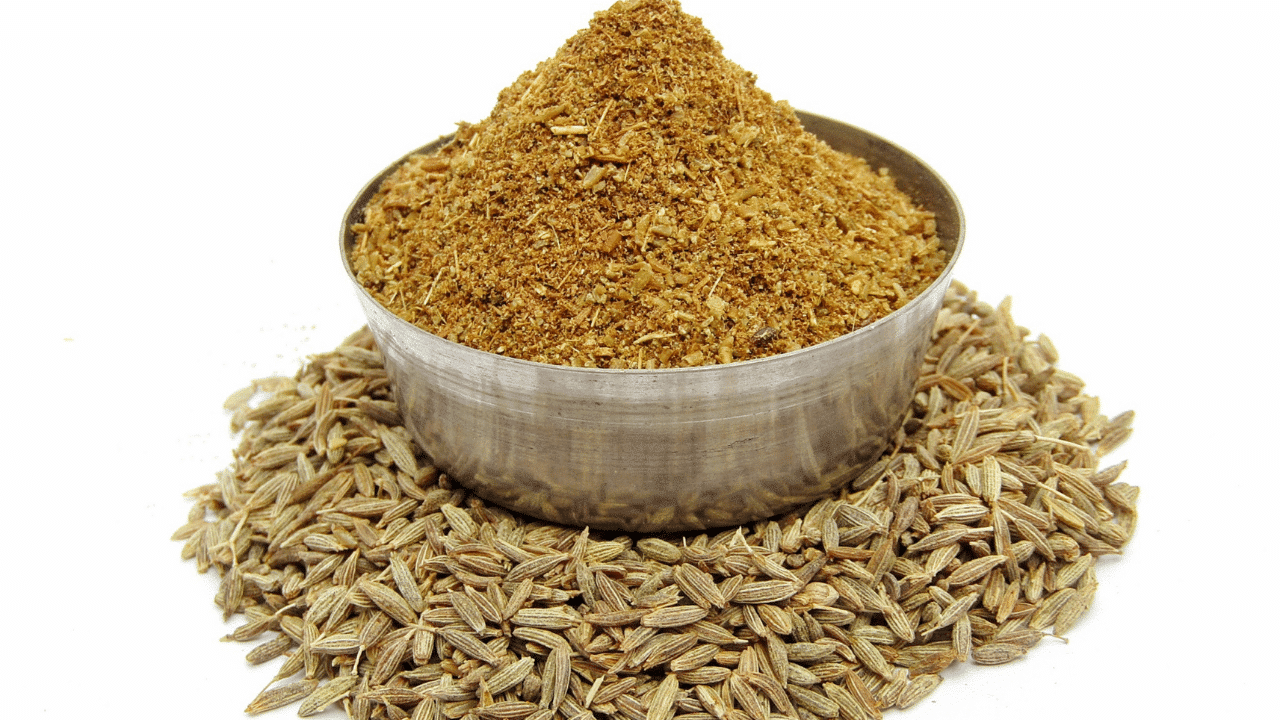
Medical Benefits of Kava - Piper Methysticum

Other Common Names: Ava Intoxicating Pepper, Ava Pepper, Kava Kava, Yagona, Piper methysticum

Range: Polynesia, Sandwich Islands, South Sea Islands. Official in the Australian Colonies.

The first Europeans to observe the kava plant and its ritualistic consumption by natives of Oceania were Dutch explorers Jacob Le Maire and William Schouten. In 1616, they encountered the plant in the Hoorn Islands, now a part of the French territory Wallis and Fatuna. Later travelers in the Pacific region provided a wealth of detail regarding this highly valued and widely used pepper plant.

Long cultivated and known by a number of common names, the plant is now classified by botanists as Piper methysticum, meaning "intoxicating pepper." In religious and social rituals that naturally vary somewhat from island to island, the rhizome of the plant is grated (originally chewed by young people with sound teeth), mixed with water in a bowl, strained, and the resulting beverage drunk to produce a feeling of well-being.

Observers and even scientists long disagreed on the effects of kava. Captain James Cook, who observed its use during his world voyage of 1768�1771, thought the symptoms resembled those of opium. Lewis Lewin, a pioneer pharmacologist in the field of mind-altering drugs, referred to it in the 1880s as a narcotic and sedative, but noted these effects followed a period of quiet euphoria. Modern authorities call kava a psychoactive agent; it reduces anxiety much like the potent, synthetic benzodiazapines (e.g., Valium) and is a potent muscle relaxant. Kava does promote relaxation and sociability, but its effects are very different from those produced by either alcohol or synthetic tranquilizers. It does not produce a hangover, and, even more significant, it does not cause dependency or addiction.

In the 1950s and 60s, two teams of German scientists headed by H.J. Meyer in Freiburg and R. H�nsel in Berlin found that the various activities of the kava plant were due to some 15 different chemical compounds known as pyrones. Collectively named kavapyrones or kavalactones, the compounds were found to increase the sedative action of barbiturates, to have both analgesic and local anesthetic effects, to cause muscles to relax, and to have antifungal properties.

Kava root has been found valuable in the treatment of Neuralgia, particularly of the trifacial nerve, toothache, earache, ocular pain, reflex neuralgia, anorexia, gonorrhoea both acute and chronic, vaginitis, leucorrhoea, nocturnal incontinence and other ailments of the genitourinary tract. Being a local anaesthetic it relieves pain and has an aphrodisiac effect; it has also an antiseptic effect on the urine. The capsules usually contain 0.3 gram; two to four can be given several times per day. As Kava is a strong diuretic it is useful for gout, rheumatism, bronchial and other ailments, resulting from heart trouble.

Shortly after these findings, preparations of kava extract began to appear on the European market, usually standardized to provide a daily dosage in the range of 60�120 mg of kavapyrones. German Commission E, the group responsible for evaluating the safety and efficacy of botanical medicines, reviewed the data on kava and, in 1990, approved its use for conditions such as nervous anxiety, stress, and restlessness. It is frequently marketed as an anxiolytic.

Kava products have been steady but unspectacular sellers in Europe for several decades. Until recently, no one in the United States seemed much interested in them. Ironically, when the Food and Drug Administration began to express concern over the safety of ephedra, a stimulant herbal product, herb marketers became enthusiastic about kava, a depressant. Both herbs have psychoactive properties, but the effects are almost exactly opposite.


Kava and its contained pyrones are, without question, effective medications. They are also subject to abuse. The kava scenario in this country is just beginning. It is too early to predict whether it will continue to be marketed freely or will eventually be subjected to rigid controls.

Known Hazards: Use of kava is contraindicated during pregnancy, nursing, and in cases of depression caused by internal factors. Its continued use in large doses causes inflammation of the body and eyes, resulting in leprous ulcers; the skin becomes parched and peels off in scales.

Long-term consumption of very large quantities of kava may result in a yellow coloration of the skin, nails, and hair, allergic skin reactions, visual and oculomotor equilibrium disturbances. For this reason, Commission E recommends that kava not be consumed for longer than 3 months without medical advice. Driving and operating machinery during consumption should be avoided.

  • Tyler, V.E. 1999. Herbs affecting the central nervous system. p. 442�449. In: J. Janick (ed.), Perspectives on new crops and new uses. ASHS Press, Alexandria, VA.