Keeping the line is absolutely essential for many people. It is precisely in this context that they are led to follow a diet. In this regard, the vegan or vegan diet is quite indicated. It corresponds to the elimination of all foods of animal origin. These include meat, fish, seafood and others. It differs significantly from the vegetarian diet in that it genuinely excludes everything from animals, namely eggs, dairy products and honey. This type of diet is mainly used for ethical, health and ecological reasons. By definition, a vegan or vegan diet is more like a lifestyle than a diet. As a result, the vegan diet goes beyond simple vegetarianism. Indeed, in addition to meat and fish, it also prohibits the consumption of all products of animal mining. In addition to food, followers of the vegan diet often forbid the use of animal products in cosmetics and ready-to-wear. This concerns by way of illustration accessories made of wool and leather and others. With this in mind, it is important to know everything about the vegan diet.
The specifics of the vegan diet and weight loss
It appears that the vegan diet is generally diversified and harmonious. Although foods of animal origin are prohibited, high-quality plant substitutes must meet a variety of nutritional needs. Although most often assimilated, or even confused, vegan, vegan and vegetarian diets stand out from each other.
Distinction between vegan, vegan and vegetarian diets
These restricted terms are easy to confuse, but there are three different types of diet when it comes to them, namely vegetarian, vegan, and vegan diets.
- Vegetarians eat all foods except meat, fish and seafood.
- Vegans follow a diet in the same way as vegetarians. It must be said that they exclude all foods of animal origin.
- Vegans are vegetarians and extend this concept to many everyday decisions: they don't use silk, leather, or wool, they don't take medication with animal additives, and they don't use animal extracts.
It emerges from this that the vegan diet is much more than just a diet. Indeed, unlike vegan and vegetarian diets, it is not limited to the variety of foods consumed, but also to the lifestyle adopted. The vegan therefore chooses not to wear clothes from animal origin.
As for the origin of the vegan diet, it should be noted that since 1806 there have been medical recommendations for the consumption of eggs and dairy products. However, until after 1948, with the discovery of vitamin B12, vegan food became a more popular diet in society.
The Vegan Diet and Weight Loss
In addition, it is important to know how long a vegan diet can last. At this level, since this diet is more like a lifestyle, there is no end date. For health, moral and ecological reasons, this diet is usually followed throughout life. Therefore, all those who practice the vegan diet most often commit to it for life, because it becomes their principle.
The main features of the vegan diet
When it comes to the vegan diet, it is especially forbidden to include food that comes from animals in your dishes. This also applies to all animal products, from cabinets to other aesthetic products. So, if by chance the ingredients of beauty products have been tested on animals and leather products, they will, in fact, be banned from the wardrobe of a follower of the vegan diet.
Types of food allowed and prohibited in a vegan diet
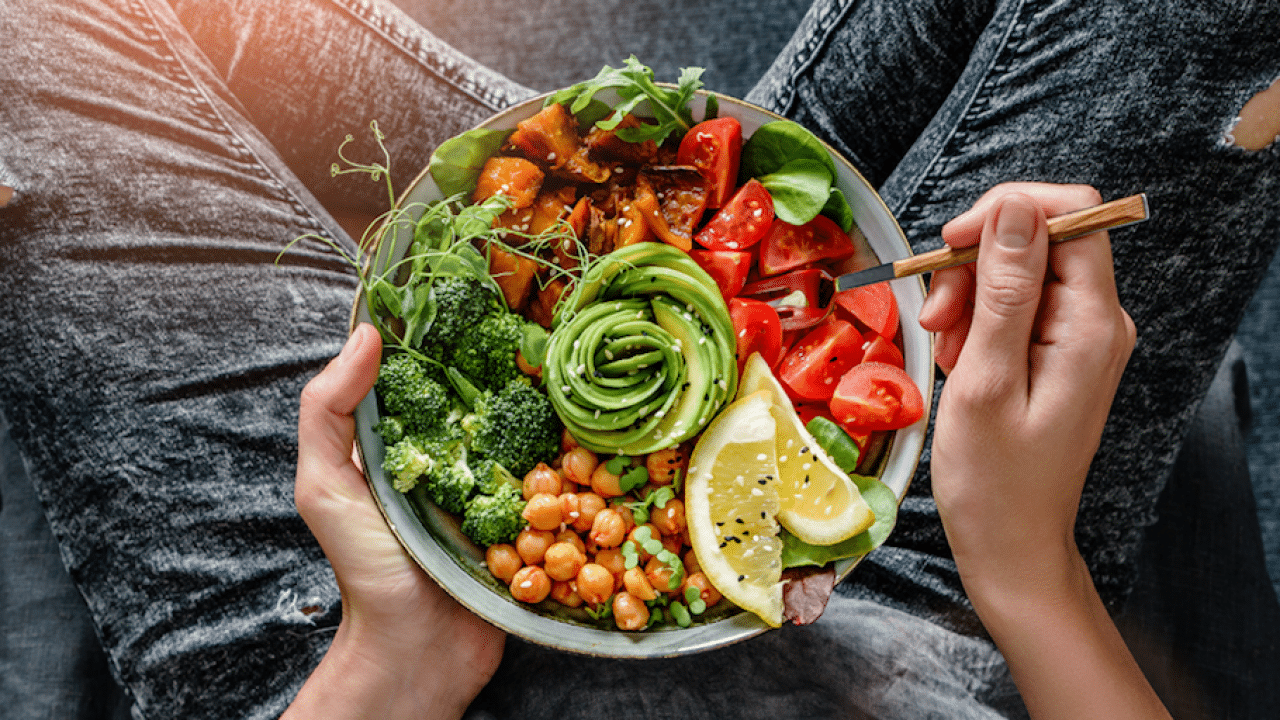
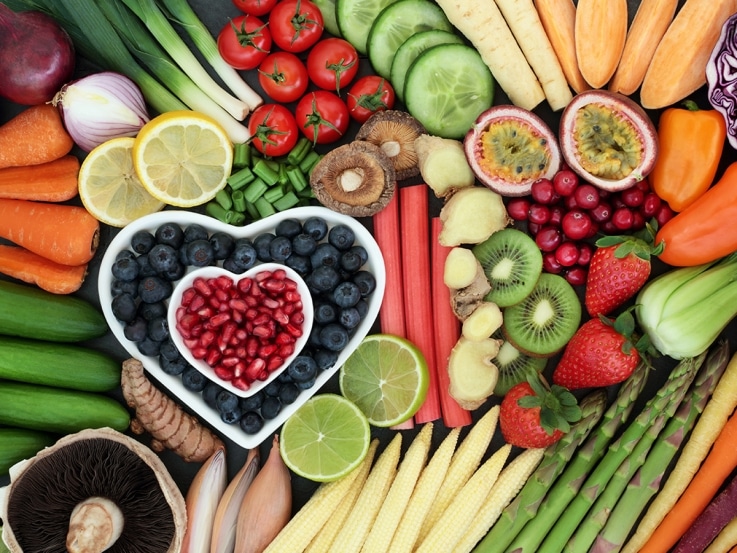
All foods of the plant kingdom are found on the vegan plateau, including vegetables, whole grains, oilseeds and fruits, as well as their derivatives, vegetable oils and fruits. In a vegan diet, meat, fish and eggs should be truly banned. In addition, dairy products, butter, honey and gelatin are prohibited. In fact, the production of these products results from the exploitation of animals. This is the main reason for their formal ban on any vegan diet.
In addition, practitioners of the vegan diet are full of praise when it comes to its health benefits. It appears that, for health reasons, many vegetarians prefer this diet. This is explained by the fact that this diet helps to prevent certain diseases. The combination of elements of purely vegetable origin promotes an additional intake of vitamins; which is very useful for the maintenance of good health in the long term.
Preventing obesity and cardiovascular disease
According to many studies, the body mass index of vegans in general, and vegans in particular, tends to be lower than the average omnivores. What justifies such results is simply the fact that in this category of diet there are usually fewer processed foods and more vegetables and green leafy foods. Plant fiber is better than a conventional omnivorous diet in that it prevents obesity due to a caloric supplement.
Also, the cardiovascular system is well maintained due to the frequent consumption of fruits that are rich in mono and polyunsaturated fatty acids and without animal fat. It is much more natural to follow a vegan or vegan diet since these are less composite than foods of animal origin. The nutritional elements contained in these diets are much more important than in common diets with meat.
The advantages and disadvantages of the vegan diet

The benefits of the vegan diet
As a benefit of a vegan diet, there is first and foremost respect for the environment and animal welfare. Indeed, it is not only a noble cause, but also and above all the safeguarding of the planet that shelters us. The preservation of wildlife helps to maintain the balance of the different types of ecosystems present on the earth. At the same time, it promotes digestion and completely eliminates cruel treatment of animals.
Second, a benefit of the vegan diet is that it is simply good for your health. In fact, people accustomed to cooking easily follow a varied and balanced diet due to obesity and associated diseases. The heart rate is all the more better regulated on a daily basis. This promotes in the long term the natural feeling of bodily well-being.
The limits of a vegan diet
It must be recognized, however, that the vegan type of diet has certain inadequacies. In particular, there is the need for vitamin B12 supplementation which can be difficult to follow at certain stages of life. Indeed, from the age of 65, it is sometimes difficult to reconcile an active social life such as going to a restaurant or responding to an invitation letter in a fast food restaurant.
In addition, in case of pregnancy or breastfeeding, this type of diet requires profound changes in the eating habits of people accustomed to processing and preparing food. These must be limited to foods derived from plants. However, we cannot forget the fact that certain animal proteins are necessary for the proper growth of a child. All these parameters mean that such a regime is not free of limits. Notwithstanding this fact, it is still very useful for health.
The correspondence of the vegan diet with the types of individuals
Can you follow a vegan diet without the risk of deficiency? Yes, it is quite possible to follow a vegetarian diet without fail. For this reason, vitamin B12 must be provided in the form of dietary supplements, since it is still very complicated to provide only foods of plant origin in an appropriate way.
Is the vegan diet suitable for everyone?
The difficulty of following a vegan diet depends on the eating habits of the individual. It is easier than those who eat a lot of homemade dishes and products from the food industry. If you have any questions about switching to a vegan diet, you can do so gradually. So you need to start with a vegetarian diet and gradually eliminate all foods (dairy products, honey, etc.) in animal mines.
Is the diet compatible with exercise?
As long as a balanced diet is vegan and vitamin B12 supplementation is respected, exercise is not an obstacle in itself. It is recommended to keep the same diet. In this context, it is a question of maintaining good hydration. If necessary, it is possible to eat snacks after exercise depending on the intensity.
On the other hand, vegetarianism is a way of life that usually lasts a lifetime. There is therefore no a priori reason to explain weight gain. As with any type of diet, to avoid weight gain, it is recommended to limit the consumption of sweet, fatty, fried industrial products, as well as soft drinks and other sugary drinks. These foods, although sometimes combined with vegan foods, can promote overweight. They should be consumed in moderation.
How to follow a good vegan diet?
The basic principles of the vegan diet
Going vegan means thoroughly evaluating your intake and lifestyle. In other words, we no longer buy leather or fur clothes, no longer eat honey or eggs, no longer consume dairy products, with the exception of soy, almonds and coconut milk. In addition to this, we ignore products that contain only one ingredient of animal origin. It is necessary to be specific in the choice of food and adapt. As the days go by, the vegan diet will take a prominent place in our eating habits.
However, if you want to start learning, you should consult a gp or dietitian before trying. Remember that this is a very special diet and may not be suitable for all situations. It is therefore more than necessary to check with specialists if your body is able to support such a diet. If necessary, it would be wise to follow the medical prescriptions for this purpose.
The need for the right dosage in the vegan diet
Dosage is an essential parameter for all followers of the vegan diet. In order to avoid hunger as much as possible, it is recommended to adjust the diet and properly distribute the dosage of the different foods consumed. For example, it is advisable to mix cereals and beans as soon as possible to absorb high-quality protein. We can mix rice and lentils, semolina and chickpeas, corn and kidney beans, and make sure we eat more cereal than beans.
In addition, the combination of vitamin B12 and iron deficiency cannot be avoided in such a type of diet. this aims to ensure a good supply of essential proteins. These nutrients in question ensure the strength of bones, digestion, cell renewal and the beauty of hair and skin.
Ultimately, the vegan diet is characterized by the fact that it excludes all foods of animal origin. Much more than just a diet, it is a way of life. Even clothing and accessories made from animal materials are not worn by practitioners of this diet. In this sense, it is an undeniable asset for environmental and ecological safeguarding. However, before getting started, it is necessary to consult a doctor to ensure that your body can cope with the conditions of this diet. If this is the case, your health will be most natural and vigorous for a long time.