Marketplace
Recently Added
- Fast Weight Loss Methods
- How To Gain Weight And Lose Fat
- How To Eat To Lose Weight And Gain Muscle
- Lose Weight In Face
- Diet Exercise Lose Weight
- Calories Lose Weight Calculator
- Using Laxatives To Lose Weight
- How To Lose Weight Free
- Quick Weight Loss Program
- Weight Chart Children
- Lose Belly Weight
- How To Lose Weight The Fastest Way Possible
- Best And Easiest Way To Loose Weight
- Speed Up Your Metabolism Lose Weight
- Wellness Healthy Weight
- Healthy Way To Gain Weight
- Healthy Weight Gain Foods
- Fastest Way To Lose Weight In 3 Weeks
- Kilogram Weight Conversion Chart
- Best Weight Loss Exercises For Women
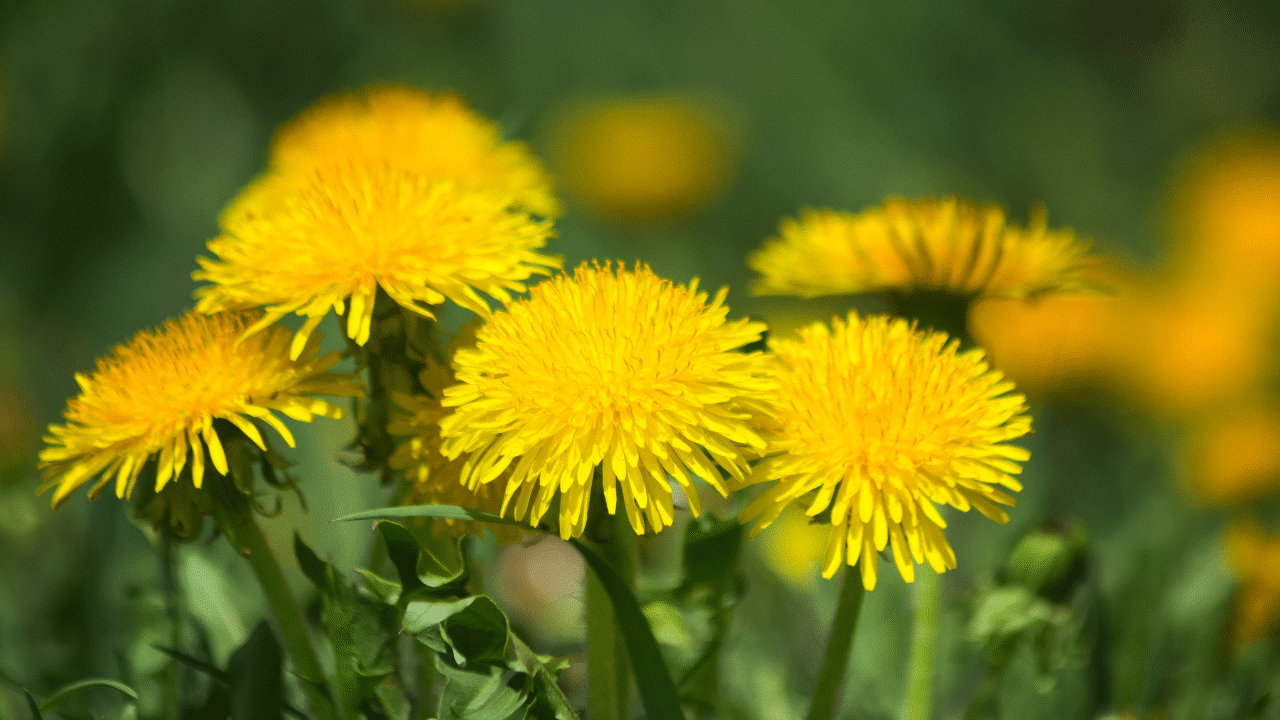
How Coltsfoot - Tussilago Farfara Can Help Relieve Chest Congestion
Other Common Names: Ass's Foot, Bullsfoot, Clayweed, Cleats, Colt's-foot, Coughwort, Donnhove, Farfara, Fieldhove, Foalswort, Hallfoot, Horsehoof, Huki-Tanpopo, K'Uan Tung, Oksurukotu, Son-before-father, To Wu, Tusilago, Tussilago farfara
Range: Chile; China; Eurasia; France; Spain; Turkey
Habitat: Damp habitats, frequently on alkaline clays, in hedgebanks, roadsides, wasteland, often as a pioneer, and on dunes and shingle in coastal zones
An effective demulcent and expectorant herb, coltsfoot is one of the most popular remedies for the treatment of a wide range of chest complaints. It is widely available in health food shops. The leaves are commonly used in Europe, though the flowering stems (which contain higher levels of pyrrolizidine alkaloids) are preferred in China. They are rich in mucilage and are the main parts used, though the root is also sometimes employed. Pyrrolizidine alkaloids have a toxic effect upon the liver, but are largely destroyed when the plant is boiled to make a decoction. Some caution should be employed in the use of this remedy - the flowers should not be used except under professional supervision, the leaves should not be used for more than 4 - 6 weeks at a time, the herb should not be taken whilst pregnant or breast-feeding and it should not be given to children under the age of six.
The botanical name, Tussilago, signifies 'cough dispeller,' and Coltsfoot has justly been termed 'nature's best herb for the lungs and her most eminent thoracic.' The smoking of the leaves for a cough has the recommendation of Dioscorides, Galen, Pliny, Boyle, and other great authorities, both ancient and modern, Linnaeus stating that the Swedes of his time smoked it for that purpose. Pliny recommended the use of both roots and leaves. The leaves are the basis of the British Herb Tobacco, in which Coltsfoot predominates, the other ingredients being Buckbean, Eyebright, Betony, Rosemary, Thyme, Lavender, and Chamomile flowers. This relieves asthma and also the difficult breathing of old bronchitis. Those suffering from asthma, catarrh and other lung troubles derive much benefit from smoking this Herbal Tobacco, the use of which does not entail any of the injurious effects of ordinary tobacco.
Modern research has shown that extracts of the whole plant can increase immune resistance. In a Chinese trial 75% of patients suffering from bronchial asthma showed some improvement after treatment with this plant, though the anti-asthmatic effect was short-lived.
The leaves are harvested in June and early July, the flowers are harvested when fully open and the root is harvested in the autumn. All can be dried and used as required.
The plant is antitussive, astringent, demulcent, emollient, expectorant, stimulant and tonic. It is widely used in the treatment of coughs and respiratory problems and is often candied so that it can be sucked as a candy. The plant is of particular use in the treatment of chronic emphysema and silicosis, helping to relieve the persistant cough associated with these conditions. Coltsfoot is paticularly effective when used in combination with liquorice (Glycyrrhiza species), thyme (Thymus vulgaris) and wild cherry (Prunus serotina).
A poultice of the flowers has a soothing effect on a range of skin disorders including eczema, ulcers, sores, bites and inflammations.
A bitter, tonic and diaphoretic preparation can be obtained from the root.
Flower buds and young flowers - raw or cooked. A pleasant aniseed flavor, they add a distinctive aromatic flavor to salads.
Young leaves - raw or cooked. They can be used in salads, added to soups, or cooked as a vegetable. The leaves have a bitter taste unless they are washed after being boiled. An aromatic tea is made from the fresh or dried leaves and flowers. It has a liquorice-like flavor. The dried and burnt leaves are used as a salt substitute. The slender rootstock is candied in sugar syrup.
Known Hazards: The plant contains traces of liver-affecting pyrrolizidine alkaloids and is potentially toxic in large doses. These alkaloids have not proved toxic at low dosages in tests and there is no suggestion that this plant should not be used medicinally.
- Plants For A Future - A Resource and Information Centre for Edible and other useful plants.
Discuss It!
Most Popular Articles
- Inflammation Of The Stomach
- Vegetarian Diets
- Herbal Remedies
- Nutritional Supplement
- Fats Lipids
- Ask Us
- Papain
- Nutrition
- Diet Planning
- Diet
- Cracker Barrel Nutrition Information
- Skin Diseases
- Peptic Ulcer
- Recommended Dietary Allowances
- Bile Salts
- List Of Communicable Diseases
- Bee Pollen
- Information On Carbohydrates And How The Body Uses Them
- Phosphatidylcholine
- Senna
Daily Definition
Enzyme
Enzyme - A protein substance that acts as a catalyst in biochemical reactions....